Book Appointment Now

Examples of Summary in CV: Writing the Best Resume in 2026
You have a few seconds to grab a hiring manager’s attention. Is your resume summary strong enough?
The resume summary is often the first section hiring managers see. It’s your chance to make a memorable first impression and showcase your skills and experience in just a few sentences.
In today’s competitive job market, you need a summary that stands out, especially when AI systems are involved in screening and ranking candidates. This article will teach you how to write a compelling resume summary that not only grabs the attention of hiring managers but also aligns with the latest SEO and AI trends.
In this article, you’ll learn examples of summary in CV, summary statements tailored for freshers, students, and experienced professionals, and how to write a resume summary that sets you apart from the competition.
What is a Resume Summary?
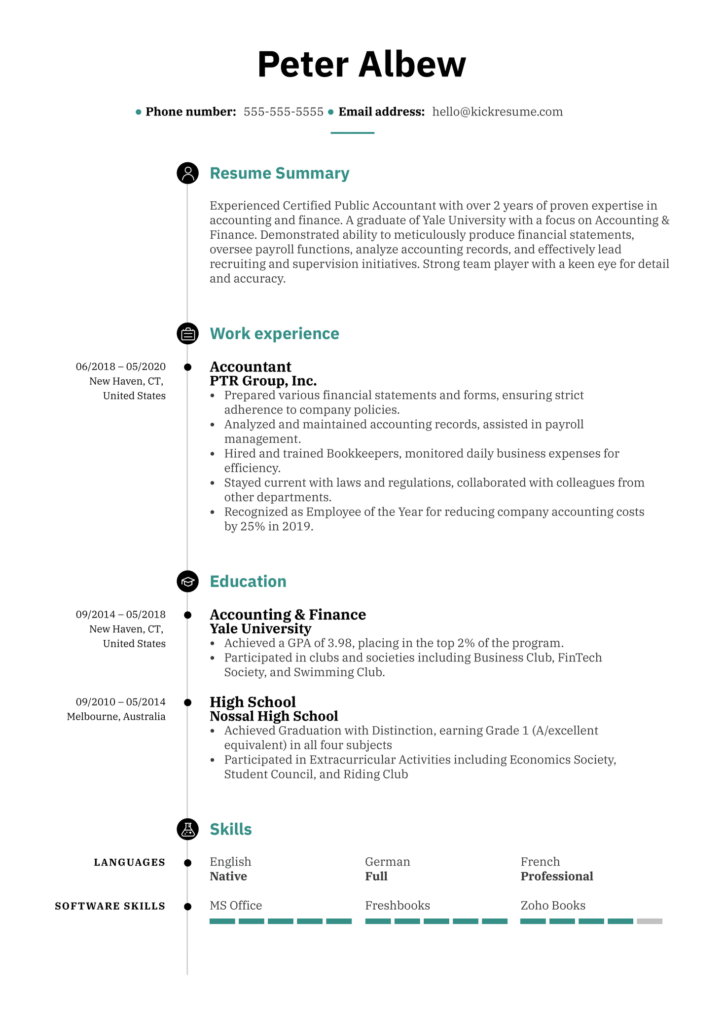
A resume summary is a brief, two- to three-sentence statement at the top of your resume that highlights your most relevant skills, experiences, and achievements. It serves as a professional introduction, giving hiring managers a quick snapshot of who you are and what you bring to the table.
Unlike an outdated resume objective, which focuses on your career goals, a resume summary emphasizes what you’ve already achieved and how you can contribute to the company. It’s a powerful tool to make a lasting first impression in a competitive job market.
Think of it as an answer to the question: “What makes you the best fit for this role?” By tailoring your summary to each job you apply for, you’re showing the hiring manager exactly why you’re the right choice, right from the start.
Why is a Resume Summary Important?
A well-crafted resume summary can make the difference between getting noticed or getting passed over. Hiring managers often spend only a few seconds scanning a resume, and your summary is the first place they’ll look to quickly assess your suitability for the job.
Here’s why it matters:
- First Impressions Matter: A resume summary provides a snapshot of your professional identity. It’s the first chance to grab attention and make an impact.
- Stand Out Faster: In a competitive job market, hiring managers might sift through hundreds of resumes. A clear, concise summary helps highlight your key skills and qualifications immediately, increasing your chances of standing out.
- Showcase Relevant Experience: By including the most relevant skills and achievements, you make it easier for the hiring manager to see you as a perfect fit for the role. Tailoring the summary to the job description increases your chances of success.
- Address Keywords Early: Resume summaries allow you to quickly address important keywords from the job posting, making your resume more likely to pass through Applicant Tracking Systems (ATS) that scan for keywords before reaching a human recruiter.
RELATED: How to Write a Follow Up Email After Interview (With Samples)
How to Write a Resume Summary (Step-by-Step)
Creating a compelling resume summary is easier than it seems. Follow these simple steps to craft a summary that will make you stand out:
- Start with Your Professional Identity
Begin with your current job title or your professional role. If you’re a student or fresh graduate, mention your degree or field of study. The goal is to give the reader a quick idea of who you are.
Example: “Experienced digital marketing specialist” or “Recent computer science graduate.”
- Highlight Key Skills and Expertise
Focus on your top skills and areas of expertise that are most relevant to the job you’re applying for. Look closely at the job description to pick up key skills.
Example: “Skilled in SEO, content creation, and social media strategy.”
- Include Measurable Achievements
Whenever possible, include measurable results to back up your claims. This adds weight to your summary and makes it more impactful.
Example: “Increased web traffic by 30% in six months through targeted SEO campaigns.”
- Keep it Concise
Your summary should be 2 to 3 sentences, short enough to keep the hiring manager’s attention but long enough to convey your value. Make sure every word counts.
Example Resume Summaries for Different Career Levels
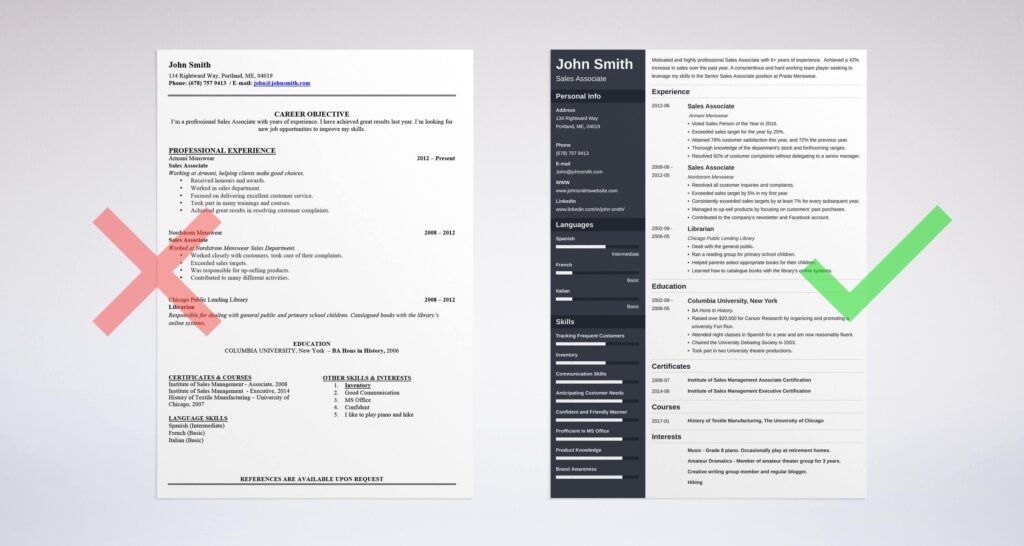
A strong resume summary should be tailored to your career level and specific job. Here are examples based on freshers, students, and experienced professionals to give you an idea of how to craft your own summary.
Resume Summary for Students
If you’re a student with little to no work experience, focus on your academic achievements, skills, and enthusiasm for the field.
Example:
“Motivated business administration student with hands-on internship experience in marketing and project management. Proficient in data analysis, Microsoft Office, and team collaboration. Eager to contribute to a dynamic team and grow professionally.”
Resume Summary for Freshers
For freshers or recent graduates with some internship or entry-level experience, highlight relevant skills, academic experience, and enthusiasm for growth.
Example:
“Recent computer science graduate with a solid foundation in programming languages like Java and Python. Skilled in problem-solving, web development, and database management. Passionate about learning new technologies and contributing to tech innovation.”
SEE MORE: Best Interview Questions Recruiters Ask in 2026
Resume Summary for Experienced Professionals
For professionals with several years of experience, your resume summary should emphasize impactful achievements, leadership skills, and proven results.
Example:
“Experienced project manager with 8+ years of expertise in leading cross-functional teams in IT and finance. Successfully managed multimillion-dollar projects, reducing operational costs by 15% and delivering projects ahead of schedule. Proven ability to drive business success through strategic planning and execution.”
Common Mistakes to Avoid in Your Resume Summary
Even a well-crafted resume summary can fall flat if it includes common mistakes that make it harder for hiring managers and AI systems to process. Here are the top mistakes to avoid:
1. Writing a Generic Summary
Don’t use a one-size-fits-all summary for every job application. Tailor your resume summary to each job description, highlighting the most relevant skills and experiences. Generic summaries fail to grab attention or show why you’re the perfect fit.
Fix: Customize your summary for each position, aligning it with the company’s needs and the job description.
2. Being Too Vague
Avoid using vague adjectives like “hardworking” or “motivated” without backing them up with examples. Hiring managers and AI systems need clear, specific information to understand your value.
Fix: Use quantifiable achievements and specific skills to demonstrate your impact. For example, “Increased sales by 20%” is far more compelling than “hardworking sales professional.”
3. Focusing on What You Want, Not What You Offer
A resume summary is about what you can bring to the employer, not what you hope to achieve. Hiring managers don’t want to hear about your career goals, they want to know how your skills and experience can help their company.
Fix: Focus on your value, not your personal goals. For example, instead of saying, “Looking for a job to grow my skills,” say, “Experienced project manager with a proven track record of delivering projects on time and under budget.”
4. Writing Too Much
A resume summary should be concise, no more than 2-3 sentences. Avoid making it a paragraph that goes into unnecessary detail. Hiring managers are scanning resumes quickly, and long summaries can be off-putting.
Fix: Keep it short, sweet, and to the point. Aim for 2-3 sentences that highlight your most important skills and accomplishments.
5. Using Outdated Terminology or Clichés
Avoid outdated terms or overly used clichés like “hardworking,” “go-getter,” or “team player.” These words don’t add value to your resume and can make your summary sound generic.
Fix: Use specific, modern terms relevant to the job and industry. Show, don’t tell, what makes you a valuable candidate.
READ MORE: Exciting Marketing Jobs: Top Roles You Can’t Miss in 2026
Tailoring Your Resume Summary to Multiple Job Roles
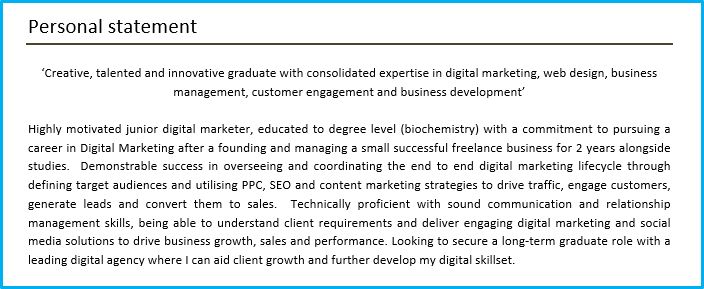
Every job is different, and your resume summary should reflect that. Hiring managers want to know that your skills and experiences align with the role they’re hiring for, so it’s crucial to customize your summary for each job application.
1. Understand the Job Description
Carefully review the job description and highlight the key skills and qualifications required. These are the keywords you want to focus on in your summary.
For example: If the job description mentions “project management,” “leadership,” and “budget management,” ensure those skills are highlighted in your summary if they match your background.
2. Highlight Relevant Skills and Experiences
Tailor your resume summary by emphasizing the skills and experiences that directly align with the job you’re applying for. If you’re applying for a tech role, mention your technical skills. If you’re applying for a leadership position, highlight your experience leading teams and driving results.
For example: For a tech role, your summary could highlight “Java programming” or “data analysis.” For a leadership role, it could focus on your experience managing teams and delivering successful projects.
3. Address Keywords in the Job Posting
AI tools and Applicant Tracking Systems (ATS) scan for specific keywords. By including keywords from the job description in your resume summary, you improve the chances of your resume getting noticed by both human and AI recruiters.
For example: If the job posting mentions “customer engagement” and “sales growth,” use those exact phrases in your summary if they align with your experience.
4. Match the Tone of the Job
Different industries may use different language and tones. For example, a creative industry like marketing may appreciate a dynamic and personable tone, while a finance role may value a more professional and formal tone. Tailor your summary to match the tone of the job posting.
For example: In marketing, your summary might begin with “Creative marketing professional.” In finance, it could start with “Results-driven financial analyst.”
ALSO: 2026 Questions to Get to Know Someone in Job Interviews
Best Practices for Formatting Your Resume Summary
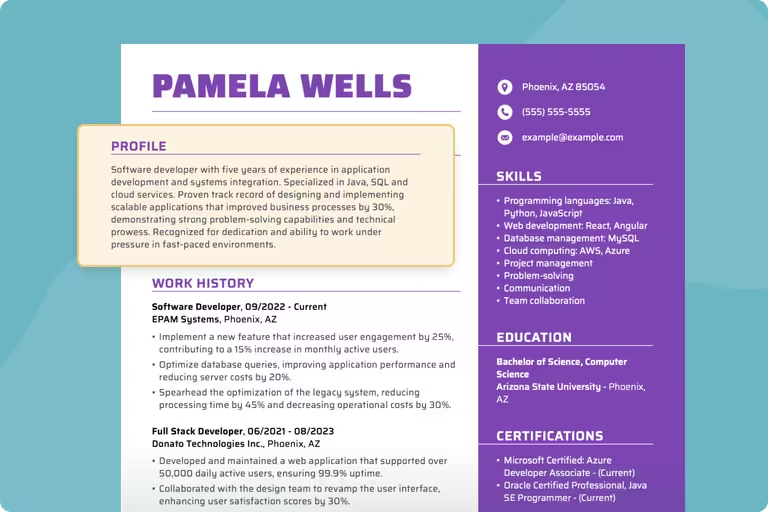
The way you format your resume summary plays a key role in visibility and readability. Following these best practices will ensure your summary grabs the attention of both hiring managers and AI systems.
1. Place the Summary at the Top
Your resume summary should be one of the first things a hiring manager sees. Place it directly beneath your contact information so it’s the first section employers encounter.
2. Keep It Concise
Your resume summary should be 2 to 3 sentences, just enough to grab attention and convey your value. Avoid turning it into a paragraph. Hiring managers quickly scan resumes, so brevity is essential.
Example:
“Creative social media manager with 5+ years of experience overseeing campaigns for top brands. Skilled in using Hootsuite, Google Analytics, and SEO to drive engagement and increase brand awareness.”
3. Use a Readable Font
Stick with a clean, professional font like Arial, Calibri, or Times New Roman. These fonts are easy to read on any device and look professional.
The font size for your resume summary should be slightly larger than the body text, typically 12–14 points, so it stands out but doesn’t dominate the page.
4. Avoid Using “I”
Your resume summary should be written in the third person and avoid using “I” or “me.” Instead of saying “I am an experienced marketer,” say “Experienced marketer with a proven track record.”
This keeps the focus on the skills and achievements rather than the person, making it more professional.
5. Use Strong Action Verbs
Start your resume summary with an action verb that conveys impact and expertise. Use strong words like “led,” “managed,” “developed,” “increased,” and “achieved” to demonstrate your capabilities clearly and confidently.
Example:
“Managed a team of 10 developers to deliver software products on time and under budget, resulting in a 20% increase in customer satisfaction.”
Conclusion
A powerful resume summary is more than just an introductory statement; it’s your opportunity to stand out in a crowded job market. By following the tips and examples shared in this article, you can create a summary that immediately grabs attention, highlights your skills, and sets you apart from other candidates.
Whether you’re a fresh graduate, an entry-level professional, or a seasoned expert, tailoring your resume summary to the job you’re applying for is key to increasing your chances of landing an interview. Don’t forget to include measurable achievements, use the right keywords, and format it for easy reading, both for hiring managers and AI systems.
Start crafting your resume summary today, and make sure it reflects who you are, what you’ve accomplished, and why you’re the right fit for the role.
Ready to elevate your career and land that dream job?
NexTechJobs provides a structured pathway to help you gain the skills and certifications needed to excel in high-demand industries.
Instead of waiting for opportunities to come to you, NexTechJobs helps you:
- Access high-quality training in cutting-edge tech roles
- Earn certifications that increase your employability and earning potential
- Connect with top employers seeking skilled professionals like you
- Receive ongoing support and career coaching to reach higher-paying positions
Don’t miss out on the lucrative and rewarding opportunities in the tech industry today.
If you’re ready to take the first step toward building a successful tech career, visit NexTechJobs now and start your journey toward securing a high-paying job in a field you’re passionate about.
FAQ
What CV format is used in the USA?
In the USA, the most commonly used CV format is the reverse chronological format. This format lists your most recent job experience first and works backward. It highlights your work history and accomplishments in a clear, structured way, making it easy for hiring managers to see your career progression.
You can also use the functional format if you are changing careers, focusing more on skills than your work history. For those with significant experience, a combination format is also popular, blending both chronological and functional elements.
What is a good self-summary?
A good self-summary is a brief, impactful statement that highlights your most important skills and accomplishments. It should give hiring managers an immediate sense of your professional identity and what you can bring to the table.
A strong self-summary includes your core strengths, relevant work experience, and a unique value proposition that sets you apart from other candidates. Make sure it is tailored to the job you are applying for and provides a clear picture of your professional background and career goals.
What is an example of a short summary about yourself?
Here’s an example of a short self-summary: “Creative and results-driven marketing professional with 5+ years of experience developing and executing digital marketing strategies. Proven success in increasing brand awareness and driving customer engagement through SEO, content marketing, and social media campaigns. Seeking to leverage expertise to help a growing tech company expand its reach and drive sales.”
This example is concise, highlights key achievements, and aligns with the job position.
What is the 7-second rule for CV?
The 7-second rule refers to the average time a hiring manager spends reviewing a resume during the initial scan. Within these 7 seconds, they make a decision about whether or not to move forward with your resume.
This means your resume summary and key achievements should be immediately visible, clear, and impactful. It’s important to ensure that your resume summary grabs attention quickly by showcasing your most relevant skills and experiences, especially in the first few lines.