Book Appointment Now

What Are Job Meeting Questions, and How Do You Answer Them?

Job meeting questions are the questions employers ask during an interview to understand your skills, experience, personality, and how well you fit the role. They usually fall into three main types: behavioral questions (what you’ve done before), situational questions (what you would do), and personal questions (who you are and what drives you).
To answer them well, keep your responses clear, direct, and focused on real examples. Start with a short answer, then support it with a specific situation, what you did, and the result you achieved. This shows the interviewer that you don’t just talk, you deliver.
Strong candidates don’t try to memorize answers. Instead, they understand the pattern behind job meeting questions and answers, so they can adapt confidently to any question they face.
Key Takeaways You Should Know Before Any Interview
- Most job meeting questions follow a pattern. Once you understand the pattern, you can handle almost any question.
- Employers look for proof, not promises. Always back your answers with real examples.
- Clear structure beats long explanations. Keep your answers simple and straight to the point.
- Use a method like STAR (Situation, Task, Action, Result) to stay organized without sounding robotic.
- Preparation gives you confidence. You don’t need to memorize 100 questions, but you should understand how to respond to the most common ones.
- Asking smart questions matters just as much as answering them. It shows interest, thinking ability, and confidence.
- If you want a simple rule to follow: prepare well, stay clear, and focus on showing value in every answer.
RELATED: What is a Professional Request Letter?
What are the 7 most common interview questions and answers?
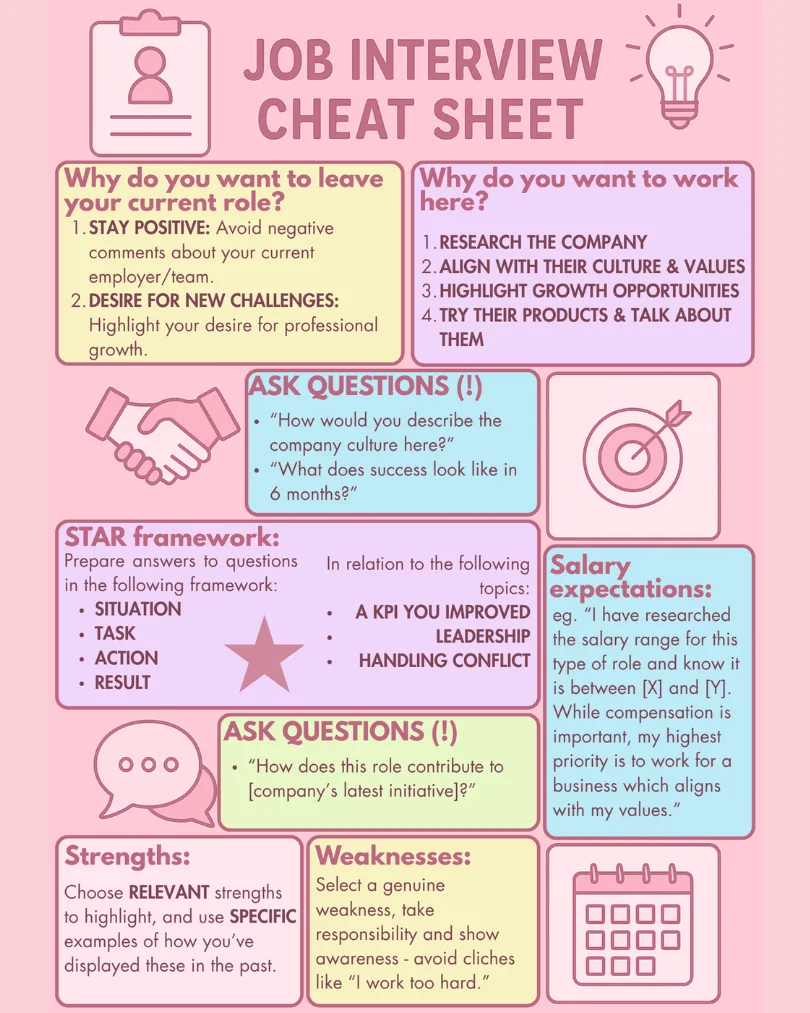
These are the basic job interview questions and answers you will almost always face. If you prepare these well, you can handle most interviews with confidence.
1. Tell me about yourself
(How to answer “tell me about yourself”)
Keep it short and focused on your work, not your life story.
Sample answer: “I have two years of experience in customer support, where I handled client issues and improved response time. I enjoy solving problems and working with people, and I’m now looking to grow in a role like this where I can take on more responsibility.”
2. Why do you want to work here?
Show that you’ve done your research and connect it to your goals.
Sample answer: “I like how your company focuses on customer experience. I’ve worked in roles where customer satisfaction was key, and I see this as a place where I can grow while contributing to that goal.”
3. What are your strengths and weaknesses?
Be honest, but position it well.
Sample answer (strength): “One of my strengths is problem-solving. In my last role, I helped reduce customer complaints by finding faster solutions to common issues.”
Sample answer (weakness): “I used to struggle with time management, but I started using task lists and deadlines, and it has improved how I work.”
4. Why should we hire you?
This is your chance to show value clearly.
Sample answer: “I bring experience in handling customers, solving problems quickly, and working under pressure. I understand what this role requires, and I’m confident I can deliver results.”
5. Tell me about a difficult situation
Use a real example and show how you handled it.
Sample answer: “A customer was upset about a delayed service. I listened, explained the situation clearly, and offered a quick solution. The customer stayed and later gave positive feedback.”
6. Where do you see yourself in five years?
Keep it realistic and aligned with the company.
Sample answer: “I see myself growing into a more senior role, taking on more responsibility, and improving my skills within a company like yours.”
7. What are your salary expectations?
Show that you’ve done your research and stay flexible.
Sample answer: “Based on my experience and the role, I’m expecting a fair range, but I’m open to discussing what works best for both of us.”
These job interview questions and answers sample give you a strong foundation. Once you understand how to answer these, you can adjust easily to other questions.
READ MORE: How to Write an Employment Verification Letter: A Comprehensive Guide
Top 20 interview questions and answers you should prepare for
Beyond the core seven, interviewers often rotate similar questions. If you prepare these, you will feel ready for almost any interview without trying to memorize everything.
Experience and Role-Based Questions
- What were your responsibilities in your last job?
- What did you achieve in your previous role?
- Why are you leaving your current job?
- What did you like most and least about your last job?
- How does your experience fit this role?
Behavioral Questions
- Tell me about a time you handled a difficult situation
- Describe a time you showed leadership
- Tell me about a mistake you made
- How do you handle stress and pressure?
- Tell me about a time you worked with a difficult person
Company Fit Questions
- What do you know about our company?
- Why do you want to work here?
- What motivates you?
- What makes you unique?
- How do you work in a team?
Career and Future Questions
- Where do you see yourself in five years?
- What are your career goals?
- What skills are you currently improving?
Practical Questions
- What are your salary expectations?
- When can you start?
These top 20 interview questions and answers cover what most employers ask in different forms.
You may not get all of them, but you will likely get a mix.
Instead of trying to prepare for 100 questions, focus on understanding how to answer these types clearly and confidently.
Best questions to ask in an interview (that make you stand out)
Most candidates focus only on answering questions.
Smart candidates also prepare questions to ask in an interview. This shows confidence, interest, and clear thinking.
Don’t ask random questions. Ask questions that show you understand the role and care about doing well.
Questions about the role
- What does a typical day in this role look like?
- What are the biggest challenges someone in this role will face?
- What does success look like in the first 90 days?
These are some of the best questions to ask in an interview because they show you are already thinking about performance.
Questions about growth and development
- Are there opportunities for learning and professional development?
- How do you support employees who want to grow within the company?
These are good questions to ask in an interview if you want to show long-term interest.
Questions about the company
- How do you see the company growing in the next few years?
- What makes people stay and succeed here?
These are strong questions to ask interviewer because they show you’re thinking beyond just getting the job.
Questions about expectations
- What are the most important goals for this role right now?
- How do you measure performance in this position?
These are powerful questions to ask during an interview because they show you care about results.
Simple rule to follow
The best questions to ask during an interview are questions that:
- Show you’re serious
- Help you understand the job better
- Make the interviewer see you as someone already thinking like an employee
Avoid questions you can easily find online. Focus on questions that create a real conversation.
SEE ALSO: 2 Weeks Notice Letter: Templates, Examples, and How to Write It Right
Unique and strategic questions to ask an interviewer
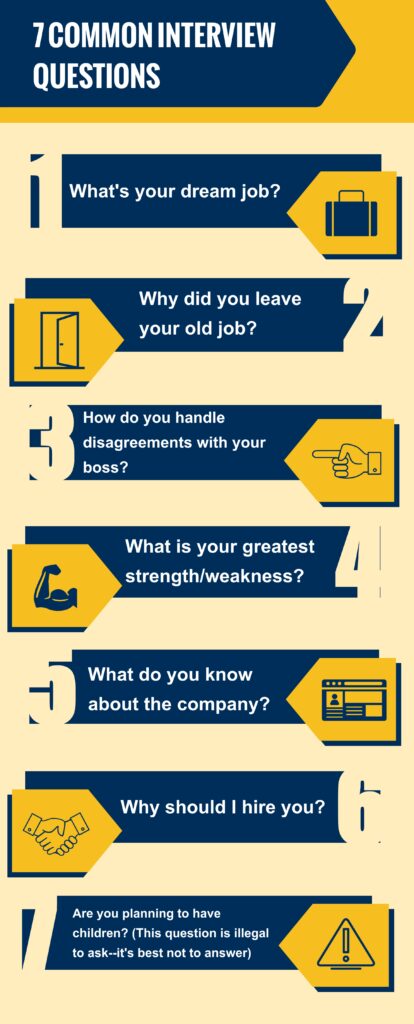
Most candidates ask safe questions. Strong candidates ask strategic interview questions to ask candidates that reveal how the company actually works.
These questions help you stand out and also help you decide if the role is right for you.
Questions that reveal real performance expectations
- What separates top performers from average employees in this role?
- What mistakes do new hires usually make here?
These are powerful questions to ask the interviewer because they show you want to succeed, not just get hired.
Questions about challenges
- What are the biggest problems the team is facing right now?
- What would you want me to fix or improve first?
These are unique interview questions to ask employer that shift the conversation from theory to real work.
Questions about leadership and direction
- How does the team handle feedback and mistakes?
- What is your management style?
These are strong good questions to ask interviewer because they help you understand how you’ll be managed.
Questions about growth and impact
- How can someone in this role grow within the company?
- What does success look like after one year?
These are some of the best questions to ask interviewer if you want to position yourself as someone thinking long-term.
Simple advantage most people miss
When you ask better questions, the interview becomes a conversation.
And when it becomes a conversation, you stop sounding like every other candidate.
That is what makes you stand out.
How to answer interview questions without sounding rehearsed
Many candidates prepare answers, but still struggle during the interview.
They sound robotic.
They over-explain.
They lose the interviewer’s attention.
To handle job meeting questions and answers well, focus on clarity and delivery.
1. Keep your answers structured
Don’t speak randomly.
Use a simple flow:
• Start with the point
• Give a short example
• End with the result
You can use the STAR method (Situation, Task, Action, Result), but keep it natural.
2. Use real examples, not perfect answers
Interviewers can tell when you are forcing an answer.
Speak from real experience.
Even simple examples work better than complicated stories.
3. Keep your answers short and clear
Avoid long explanations.
Say what matters.
Pause if needed.
Clarity makes you sound confident.
4. Adapt your answer to the role
Don’t give the same answer everywhere.
Adjust your response based on:
• The job
• The company
• The role expectations
This shows you understand what they need.
5. Stay calm and think before you respond
You don’t have to rush.
Take a second.
Then answer clearly.
What most people get wrong
They try to memorize answers.
That usually fails.
Instead, understand the pattern behind questions and practice speaking naturally.
That’s what helps you handle any interview confidently.
MORE: ATS-Friendly Resume Template That Gets Interviews in 2026
Common phone interview questions and how to handle them
Phone interviews are usually the first step. Employers use them to screen candidates before a full interview.
The questions are simple, but your answers must be clear and confident.
1. Tell me about yourself
Keep it short and relevant.
Example: “I have experience in sales where I handled customer relationships and met targets. I’m now looking to grow in a role where I can take on more responsibility and improve my results.”
2. Why are you interested in this role?
Show interest and connect it to your experience.
Example: “I like how this role focuses on customer interaction and problem-solving. That matches what I’ve done before, and I’m ready to build on that.”
3. What are your salary expectations?
Be prepared and flexible.
Example: “I’m open to a fair range based on the role and responsibilities, and I’m happy to discuss what works best.”
4. When can you start?
Answer honestly and clearly.
How to perform well in phone interviews
- Speak clearly and at a steady pace
- Keep your answers short
- Find a quiet place before the call
- Have your key points written down
These phone interview questions may seem simple, but they decide whether you move to the next stage.
READ: Examples of Summary in CV: Writing the Best Resume in 2026
What are 5 tips for a successful job interview?
These simple tips will help you handle job meeting questions with confidence and leave a strong impression.
1. Research the company before the interview
Understand what the company does, its values, and its goals.
This helps you answer questions like “Why do you want to work here?” with clarity.
2. Practice your answers out loud
Don’t just read answers in your head.
Speak them.
This helps you sound natural and confident during the interview.
3. Prepare good questions to ask
Always go in with good questions to ask in an interview.
This shows interest and helps you stand out.
4. Keep your answers clear and direct
Avoid long explanations.
Focus on:
• what you did
• how you did it
• the result
Clear answers make you easier to understand.
5. Follow up after the interview
Send a short message to thank the interviewer.
This shows professionalism and keeps you top of mind.
You don’t need to be perfect.
If you prepare well, stay clear, and show value, you will perform better than most candidates.
Final Thoughts…
Interviews don’t reward the smartest person in the room.
They reward the person who communicates clearly.
If you understand how job meeting questions and answers work, you don’t need to fear interviews. You only need to prepare the right way.
Focus on:
• clear answers
• real examples
• strong questions to ask
• calm delivery
You don’t need to prepare for 100 questions.
You need to understand the patterns behind them.
Once you do that, you walk into any interview ready.
Land the Job You’ve Been Preparing For
Don’t walk into interviews unsure of what to say or how to stand out.
At NextTechJobs, we don’t just prepare you, we position you. From tailored resumes to LinkedIn optimization and real interview coaching, we make sure you’re ready when opportunity shows up.
Book your FREE Career Strategy Call now and take control of your next career move.
FAQ
How to prepare for a job meeting?
Start by understanding the company, the role, and what they expect. Then practice answering common job meeting questions and answers out loud so you sound natural. Prepare a few real examples from your past work, and have a list of questions to ask in an interview ready. Finally, plan your outfit, arrive early, and stay calm.
What are the 5 hardest interview questions?
The hardest questions are usually the ones that require honesty and self-awareness:
– What is your biggest weakness?
– Why should we hire you?
– Tell me about a failure
– Why did you leave your last job?
– Where do you see yourself in five years?
These questions are tough because they test how you think, not just what you know.
What are 5 interview killers?
Some mistakes can ruin your chances even if you are qualified:
– Giving long, unclear answers
– Speaking negatively about past employers
– Not researching the company
– Showing low confidence or poor communication
– Not asking any questions at the end
Avoid these, and you already stand ahead of many candidates.
How do you introduce yourself in an interview?
Keep your introduction simple and focused on your professional background.
Start with your experience, mention your key skills, and connect it to the role.
Example: “I have experience in marketing, where I worked on campaigns and improved engagement. I enjoy creating strategies that drive results, and I’m excited about this role because it allows me to grow in that area.”
A strong introduction sets the tone for the rest of the interview.