Book Appointment Now

What Are Team Booster Activities for Serious Companies in 2026?

Team booster activities are interactive exercises designed to enhance collaboration, communication, trust, and morale within a group. These activities are tailored to encourage teamwork, foster stronger relationships, and improve group dynamics, making them essential for both personal and professional environments.
The goal of team booster activities is to create a more connected and effective team by engaging participants in low-stakes, fun challenges that also encourage creative thinking, problem-solving, and social bonding.
When executed well, these activities not only boost productivity and collaboration but also break down silos, improve communication, and create lasting connections between team members. Whether you’re working with team booster activities for employees, students, or even remote teams, choosing the right activity can make all the difference in the team’s success.
Key Takeaways
- Team booster activities are designed to enhance collaboration, communication, trust, and morale within teams.
- They are ideal for a variety of groups, including employees, students, and remote teams.
- These activities can range from 5-minute team building activities to more extended, in-person challenges.
- The key goal is to build teamwork, boost employee engagement, and improve group dynamics.
- They can be conducted in different settings, including classrooms, offices, and virtual spaces.
How to Choose the Right Team Booster Activity
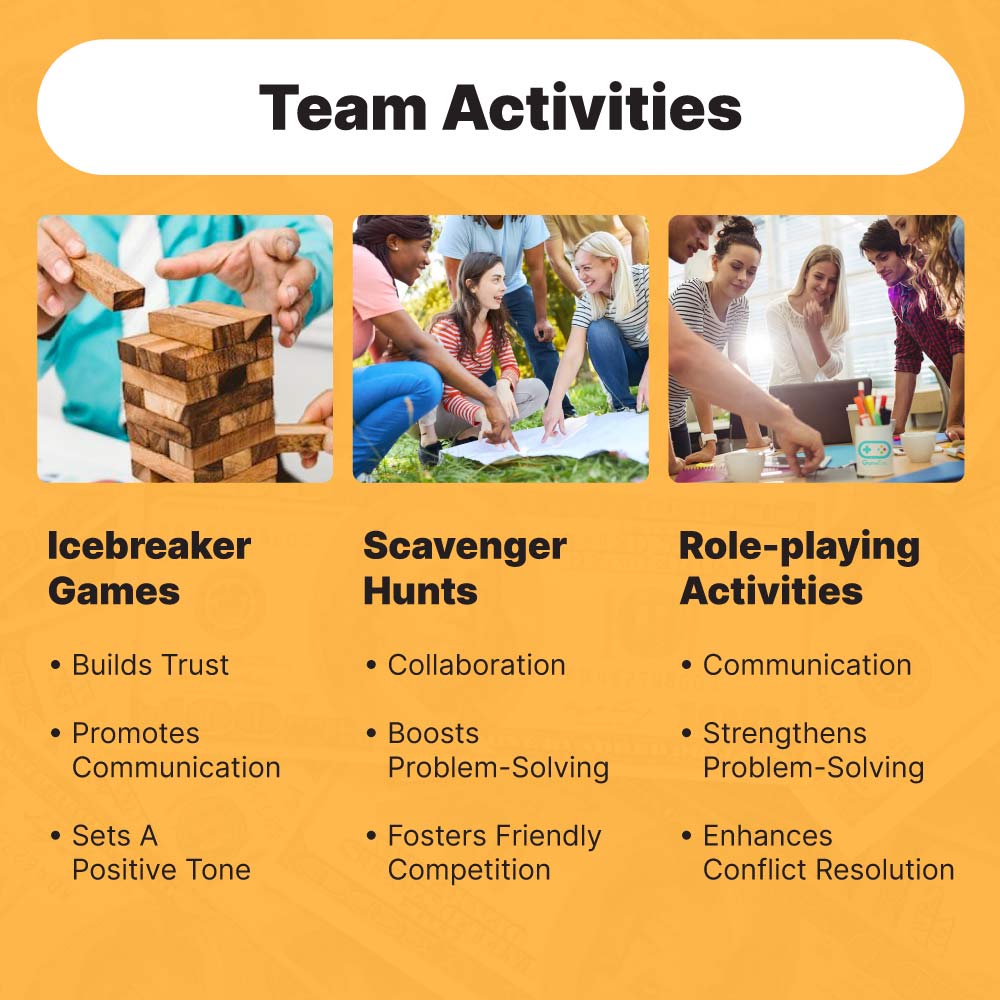
Selecting the right team booster activity depends on a few key factors: your team’s size, the time available, and the goal you want to achieve. Here’s a quick guide to help you choose the best activity for your team:
1. Consider Team Size
- Small Groups (5-10 participants): 5-minute team building activities like Two Truths and a Lie or Silent Line-Up work well for quick, icebreaker moments.
- Larger Teams (10+ participants): Activities like Scavenger Hunts or Escape Rooms that involve collaboration and problem-solving are perfect for fostering team spirit.
2. Time Available
- Short Time (5-15 minutes): For quick bonding moments, consider fun icebreaker games such as meeting ball or Quick Recall Games.
- Longer Time (30 minutes to an hour): For more impactful team-building, team bonding activities like Back-to-Back Drawing or Napkin Pitch Game encourage deeper collaboration and creativity.
3. Team Goal
- Improve Communication: Choose activities like Back-to-Back Drawing, where clear instructions are key.
- Boost Creativity: Activities such as the Napkin Pitch Game stimulate creative thinking and problem-solving.
- Strengthen Trust: Try Minefield, where team members guide each other blindly, or Silent Line-Up to challenge team communication.
By choosing the right activity based on these criteria, you’ll maximize engagement, fun, and team effectiveness.
RELATED: Productivity Hacks Best Explained in 2026?
5-Minute Team Booster Activities That Work Instantly
When time is limited, you don’t have to sacrifice fun or effectiveness. Here are 5-minute team booster activities that will immediately engage your team and help improve communication, trust, and morale:
1. Two Truths and a Lie
- Best for: Icebreakers
- Time: 5 minutes
- How it works: Each person shares three statements about themselves, two are true, and one is a lie. The group must guess which statement is false.
- Why it works: This game encourages fun conversations and helps coworkers learn more about each other in a lighthearted way.
2. Silent Line-Up
- Best for: Communication and coordination
- Time: 5 minutes
- How it works: Challenge your team to line up in a specific order (e.g., by birthday or height) without speaking.
- Why it works: This activity encourages nonverbal communication and teamwork in a fast-paced, low-pressure way.
3. Open Fist
- Best for: Finding commonalities
- Time: 5 minutes
- How it works: Each participant holds out a fist and shares a personal fact or opinion. With every fact that resonates with others, they open a finger. The goal is to see how much your group has in common.
- Why it works: This quick icebreaker helps discover shared interests and builds immediate connections.
4. Recall Game
- Best for: Knowledge retention
- Time: 5-10 minutes
- How it works: Small teams have 5 minutes to recall facts or skills from a recent training. Each correct fact earns a point.
- Why it works: It reinforces learning and creates a sense of achievement while encouraging collaboration.
5. Meeting Ball
- Best for: Team engagement
- Time: 5 minutes
- How it works: Toss a ball around, with each participant sharing one thing they are excited about or thankful for.
- Why it works: It’s a fast way to build positive energy and get everyone talking, while being a fun and simple icebreaker.
These quick team booster activities help kick-start meetings or add some fun to your day without taking much time. They are excellent for team bonding activities and for warming up before a bigger team challenge.
Team Booster Activities That Improve Communication
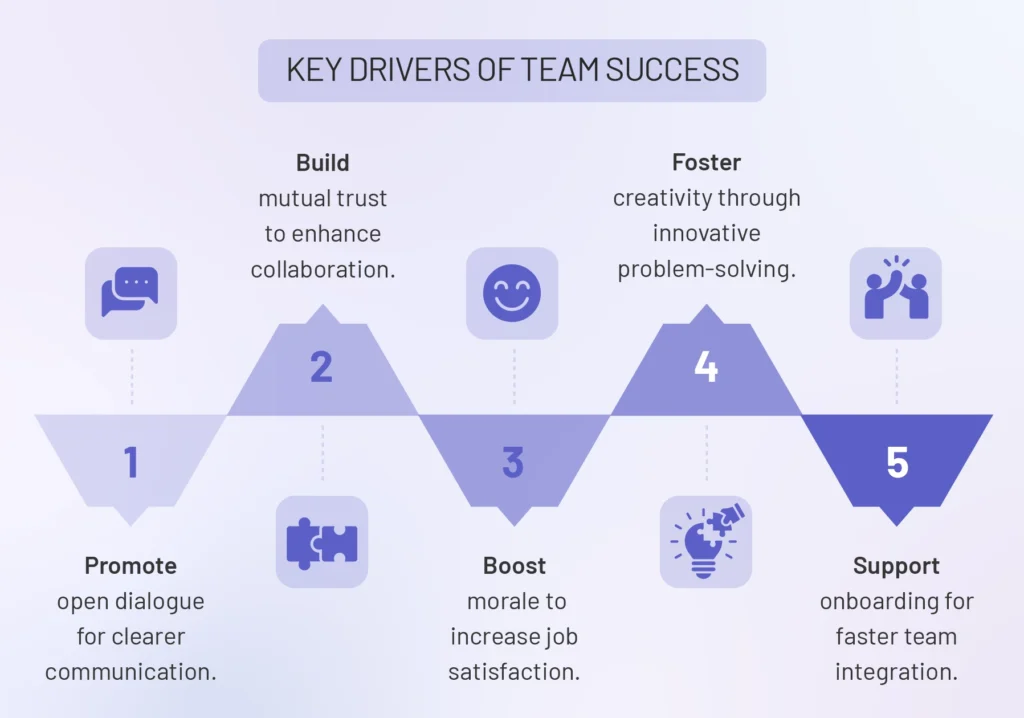
Clear communication is the foundation of effective teamwork. These team booster activities are designed to strengthen verbal and non-verbal communication, build trust, and enhance collaboration:
1. Back-to-Back Drawing
- Best for: Improving verbal communication
- Time: 10–15 minutes
- How it works: Pair up participants and have them sit back-to-back. One person describes an image, and the other tries to draw it based on the description.
- Why it works: This activity encourages clear, concise communication and builds the ability to give and receive instructions accurately.
2. Napkin Pitch Game
- Best for: Creative problem-solving and communication
- Time: 10–15 minutes
- How it works: Divide into small teams and challenge them to solve a work-related problem creatively. Each team must sketch their solution on a napkin or piece of paper and then pitch it to the group.
- Why it works: This activity pushes teams to communicate complex ideas simply and creatively, making it a fun and engaging way to improve both skills.
3. Office Debates
- Best for: Encouraging open discussion and critical thinking
- Time: 15–20 minutes
- How it works: Create lighthearted debates on fun topics (e.g., “Pineapple on pizza – yes or no?”). Divide the group into two teams and have them debate their positions.
- Why it works: This activity helps improve communication by encouraging participants to articulate their thoughts clearly and listen to others’ perspectives.
4. Role Play Scenarios
- Best for: Empathy-building and collaboration
- Time: 15 minutes
- How it works: Present teams with hypothetical scenarios (e.g., handling a difficult customer or working through a team conflict). Team members take turns playing different roles and acting out possible solutions.
- Why it works: Role playing encourages participants to think from different perspectives and enhances empathy and problem-solving skills.
These activities focus on building communication and collaboration within teams. They allow participants to practice verbal, non-verbal, and creative communication, all of which are essential for strong teamwork.
READ MORE: What Are Job Meeting Questions, and How Do You Answer Them?
Unique Team Building Activities That Boost Creativity
Creativity and problem-solving are critical to any team’s success. These team booster activities encourage creative thinking, teamwork, and innovative solutions in a fun, interactive environment:
1. Barter Puzzle
- Best for: Problem-solving and negotiation
- Time: 20 minutes
- How it works: Divide the team into small groups and give each group a puzzle to solve. However, they can only complete their puzzle by trading pieces with other teams.
- Why it works: This fosters collaboration and creative problem-solving, as teams must negotiate and strategize to complete their puzzle.
2. Build the Tallest Tower
- Best for: Creativity and strategic thinking
- Time: 15–20 minutes
- How it works: Give teams materials like spaghetti and marshmallows and challenge them to build the tallest freestanding tower in a limited time.
- Why it works: This encourages teams to think outside the box, plan, and collaborate efficiently to achieve a shared goal.
3. Brainstorm Challenge
- Best for: Generating new ideas and innovative solutions
- Time: 20 minutes
- How it works: Present a challenge or problem and have teams brainstorm potential solutions in a set amount of time. Then, they pitch their ideas to the group.
- Why it works: It stimulates creative thinking and teamwork, helping to generate a wide range of solutions for complex problems.
4. Idea Board Sprint
- Best for: Creative collaboration and idea development
- Time: 15–20 minutes
- How it works: Each team has a whiteboard or large piece of paper where they quickly sketch ideas for solving a problem or innovating a process. After the sprint, teams share their ideas and develop them further.
- Why it works: This rapid brainstorming session encourages creative thinking and collaborative idea-building within a set timeframe.
These activities focus on creativity and problem-solving, two vital components of successful teamwork. They help teams build skills that are essential for handling complex challenges and achieving innovative results.
Fun Team Booster Activities for Energy and Bonding
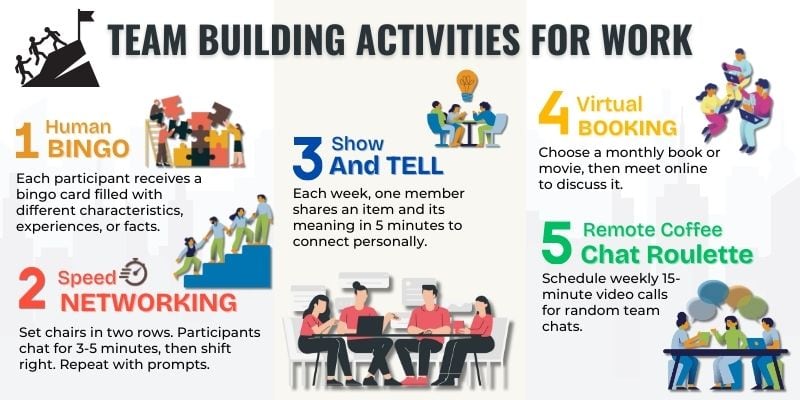
Sometimes, getting out of the office or classroom and into a physical activity can re-energize your team and build a stronger bond. These team booster activities are perfect for outdoor settings and help boost team morale and collaboration through fun physical challenges:
1. Scavenger Hunt
- Best for: Teamwork and problem-solving
- Time: 30–45 minutes
- How it works: Create a list of clues or items that teams must find in a set location. Teams must work together to solve clues and gather the required items before time runs out.
- Why it works: This activity encourages collaboration, critical thinking, and creative problem-solving while getting the team moving and engaged.
2. Escape Room Challenge
- Best for: Teamwork under pressure
- Time: 60 minutes
- How it works: Teams are “locked” in a themed room and must solve a series of puzzles and clues to escape before time runs out.
- Why it works: Escape rooms require intense collaboration and creative thinking, making them an excellent way to bond while tackling challenges together.
3. Company Field Day
- Best for: Building teamwork and morale
- Time: 1–2 hours
- How it works: Organize a day of fun outdoor games like relay races, egg tosses, or office Olympics. Teams compete in various challenges to win prizes or bragging rights.
- Why it works: This fosters a fun and competitive environment, encourages friendly competition, and helps teams work together in a relaxed atmosphere.
4. Volunteer Day
- Best for: Community bonding and shared purpose
- Time: Half day or full day
- How it works: Organize a day for your team to volunteer at a local charity or community project. This could be anything from helping at a food bank to participating in a neighborhood cleanup.
- Why it works: Volunteering builds teamwork and a shared sense of purpose, while also making a positive impact on the community. It’s a meaningful way for teams to bond outside of work.
These outdoor team booster activities are perfect for fostering teamwork, building trust, and getting your team energized. Whether it’s solving clues in a scavenger hunt or working together to escape a room, these activities help teams collaborate in a fun, physical environment.
SEE ALSO: What is a Professional Request Letter?
Virtual Team Building Activities for Remote Teams
Remote work has become a standard for many teams, making virtual team-building activities essential for maintaining strong connections and collaboration. These virtual team booster activities help remote teams bond, communicate, and stay engaged:
1. Virtual Happy Hour
- Best for: Casual bonding and socializing
- Time: 30–60 minutes
- How it works: Schedule an informal video call where team members can chat, share stories, or play games while enjoying their favorite drinks. You can also have a theme, like a trivia contest or show and tell.
- Why it works: Virtual happy hours provide a relaxed atmosphere, allowing team members to unwind and connect on a personal level, fostering better relationships.
2. Online Trivia Game
- Best for: Fun competition and knowledge sharing
- Time: 20–30 minutes
- How it works: Use tools like Kahoot or Quizizz to host a trivia game. Questions can cover pop culture, industry knowledge, or fun facts about the team. Offer small prizes to add some incentive.
- Why it works: Trivia games create a friendly, competitive environment and allow team members to have fun while also learning new things.
3. Follow the Follower
- Best for: Energy boost and team coordination
- Time: 10–15 minutes
- How it works: One team member becomes the leader and performs a series of movements on camera (e.g., jumping jacks, stretching). The rest of the team must mimic the leader’s actions.
- Why it works: This activity energizes remote teams and helps break the monotony of virtual meetings, promoting physical movement and laughter.
4. Caption Challenge
- Best for: Creative thinking and humor
- Time: 15–20 minutes
- How it works: Share funny or random images and ask each team member to come up with the wittiest caption. Then, everyone votes on the best one.
- Why it works: This activity encourages creativity and humor, lightening the mood and improving team camaraderie.
These virtual team building activities keep remote teams connected, motivated, and engaged. Whether it’s through casual socializing, friendly competition, or creative exercises, these activities help break the ice and build strong relationships across distances.
Team Booster Activities for Different Groups
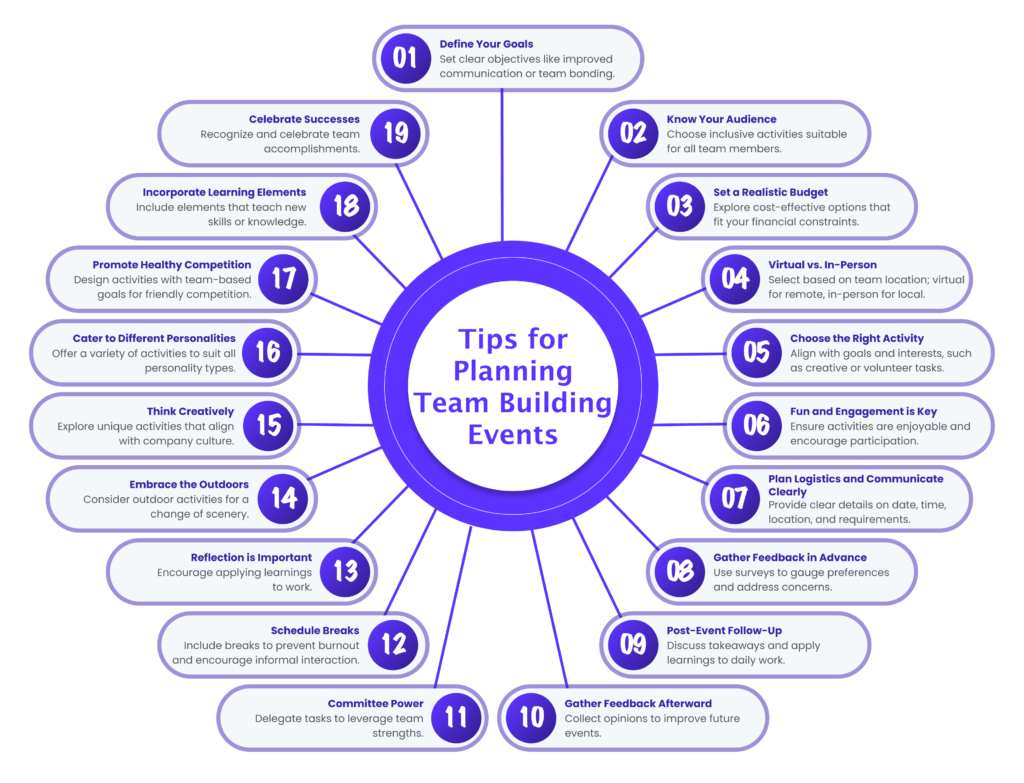
Tailoring team booster activities for specific groups ensures that the activities are both relevant and effective. Whether for employees, students, or teachers, here’s how you can adapt your activities to meet the needs of different groups:
For Employees
- Best for: Building collaboration and trust among colleagues
- Example Activities:
- Escape Room Challenge (Teamwork under pressure)
- The Secret Informant (Team communication and trust-building)
- Team Brainstorming Session (Creative problem-solving)
- Why it works: These activities improve collaboration, encourage problem-solving in high-stress scenarios, and strengthen team bonds in a work setting.
For Students
- Best for: Building communication and leadership skills in a learning environment
- Example Activities:
- Classroom Scavenger Hunt (Engaging students in team-based challenges)
- Role Play Scenarios (Encouraging empathy and teamwork)
- Paper Tower Challenge (Building creativity and teamwork under time pressure)
- Why it works: These activities engage students in hands-on learning, teaching them valuable skills like teamwork, communication, and leadership.
For Teachers
- Best for: Strengthening classroom management and fostering a collaborative teaching environment
- Example Activities:
- Silent Line-Up (Non-verbal communication skills)
- Two Truths and a Lie (Icebreaker for staff meetings)
- Back-to-Back Drawing (Improving verbal communication among staff)
- Why it works: These activities encourage teachers to communicate effectively, work together on classroom issues, and develop stronger relationships, which directly impacts their teaching effectiveness.
For Adults
- Best for: Enhancing social bonds and fostering collaboration in social or professional settings
- Example Activities:
- Office Debates (Building discussion and creative thinking)
- Volunteer Day (Creating shared purpose through community service)
- Trivia Night (Lighthearted competition to promote engagement)
- Why it works: These activities engage adults by combining fun and purpose, making it easier for them to collaborate, connect, and build lasting bonds.
This section targets team booster activities for employees, students, teachers, and adults, providing tailored activities that maximize engagement and productivity based on the specific needs of each group. By addressing specific audiences, we boost the SEO value and relevance of the article.
MORE: How to Write an Employment Verification Letter: A Comprehensive Guide
Common Mistakes That Ruin Team Building Activities
Choosing the right team booster activities is crucial, but even the best activities can fall flat if not executed properly. Here are common mistakes that can undermine the success of your team-building efforts:
1. Choosing Activities Without a Clear Goal
- Mistake: Jumping into an activity without considering what you want to achieve. Are you looking to improve communication, trust, or problem-solving?
- How to Avoid: Before selecting an activity, define your team’s specific goal (e.g., better communication, increased creativity) and choose accordingly.
- Why it matters: Without clear goals, your activities may feel disjointed or ineffective.
2. Making Activities Too Complicated
- Mistake: Overloading a team with overly complex activities that require too much preparation or explanation.
- How to Avoid: Choose 5-minute team building activities or simple games to start, especially if the team is new to team-building activities.
- Why it matters: Simplicity keeps activities fun and engaging while reducing the chances of frustration or confusion.
3. Ignoring Introverts or Shy Participants
- Mistake: Focusing too much on extroverts and leaving introverts out of the conversation.
- How to Avoid: Include activities that don’t put too much pressure on individuals to perform in front of the group. Games like Two Truths and a Lie or Silent Line-Up encourage participation without forcing anyone to speak loudly or step into the spotlight.
- Why it matters: Activities that fail to engage all team members can make some participants feel alienated or uncomfortable.
4. Forcing Participation
- Mistake: Pressuring team members to participate in activities that they’re uncomfortable with.
- How to Avoid: Create a culture where participation is encouraged but not forced. Let team members opt out of specific activities if they feel uncomfortable.
- Why it matters: Forced participation can lead to resentment and reduced engagement.
5. No Debrief After the Activity
- Mistake: Ending the activity without discussing what worked, what didn’t, and how it can be applied to the workplace or classroom.
- How to Avoid: Always set aside time for a quick debrief after each activity. Discuss the lessons learned and how the activity can help improve collaboration moving forward.
- Why it matters: Without a debrief, the activity’s lessons can be lost, and participants may fail to make connections to their everyday work.
By avoiding these common mistakes, you’ll ensure that your team booster activities are both effective and enjoyable for everyone involved. Whether you’re building trust, improving communication, or simply having fun, making the right decisions before and after the activity is key.
Strengthen Your Team with the Right Team Booster Activities
Incorporating team booster activities into your routine is one of the best ways to enhance collaboration, communication, and morale within your team. Whether you’re looking for quick 5-minute team building activities or more in-depth problem-solving challenges, choosing the right activity for your team’s needs will help foster a stronger, more cohesive group dynamic.
Remember, the key to successful team-building lies in aligning the activity with your team’s goals, whether you’re aiming to improve trust, spark creativity, or simply break the ice. By avoiding common pitfalls and selecting activities that match your team’s preferences and size, you can ensure that everyone benefits from a more engaged and productive environment.
Don’t forget to mix it up and make team-building a fun, regular part of your team’s routine. When done right, these activities can be the secret to unlocking your team’s full potential.
Boost Your Team’s Collaboration Today
Don’t let your team miss out on the benefits of effective team-building activities.
At NexTechJobs, we help teams thrive with engaging activities that improve communication, trust, and productivity. Whether you’re looking for quick 5-minute games or creative problem-solving challenges, we’ve got you covered.
Start planning your next team-building session now and watch your team grow stronger, together.
Book a FREE Consultation to find the perfect activities for your team!
FAQ
What is a good example of a team building experience?
A great example of a team-building experience is participating in an Escape Room Challenge. It encourages collaboration, problem-solving, and communication under pressure. Teams must work together to solve puzzles and escape within a time limit, promoting trust and teamwork.
How to have fun at work?
Having fun at work can be as simple as incorporating team booster activities like a virtual happy hour or a fun trivia game during breaks. These activities create a lighthearted atmosphere, allowing coworkers to bond, de-stress, and feel more connected. Incorporating small social moments into the workday can significantly boost morale.
What are some common team resources?
Some common team resources include project management tools (e.g., Trello, Asana), communication platforms (e.g., Slack, Microsoft Teams), and collaborative document-sharing platforms (e.g., Google Drive, Dropbox). These tools help streamline workflows, keep the team organized, and ensure everyone is on the same page.
How to make team meetings more engaging?
Making team meetings more engaging involves incorporating interactive activities like icebreakers (e.g., Two Truths and a Lie) or quick brainstorming sessions. Encourage participation, set clear agendas, and keep meetings short to maintain energy and focus. Using visual aids like slides or charts can also help keep team members engaged.