Book Appointment Now

How to Write a Follow Up Email After Interview (With Samples)
Sending a follow up email after interview is a crucial step in the job application process. It not only shows your appreciation for the opportunity but also reinforces your interest in the position. A well-crafted follow-up email can leave a lasting impression on your potential employer, increasing your chances of moving forward in the hiring process.
In this guide, we’ll examine how to write an effective follow-up email, with samples, tips, and best practices to help you stand out.
Why You Should Send a Follow-Up Email After an Interview
Sending a follow-up email after an interview is more than just a polite gesture; it’s an opportunity to reinforce your qualifications and enthusiasm for the role. It helps you stand out in a competitive job market by showing professionalism and gratitude. A well-crafted interview thank you email allows you to reiterate key points from your conversation, reminding the interviewer of your skills and how you align with the company’s goals.
Additionally, a timely thank you for interview email can demonstrate your strong communication skills, which are highly valued in any position. This simple yet powerful act can leave a positive, lasting impression, increasing your chances of progressing to the next stage of the hiring process.
Timing Matters: When Should You Send a Follow-Up Email?
The timing of your follow-up email after an interview is crucial. Sending it too early or too late can have an impact on how your message is perceived. Ideally, send your first interview follow-up email after 1 week to express your continued interest and gratitude. If you don’t hear back after a week, it’s appropriate to send a second follow-up.
A second follow-up email after interview can help you stay top of mind without being overbearing. If two weeks pass without a response, don’t hesitate to send a follow up email after interview after a week. This signals persistence and enthusiasm, but make sure to keep it polite and concise.
However, if you still don’t get a reply, wait a bit longer before sending a follow-up email after interview no response. By respecting the timeline and offering patience, you’ll show professionalism and avoid appearing desperate.
RELATED: Best Interview Questions Recruiters Ask in 2026
Crafting the Perfect Follow-Up Email: Key Components
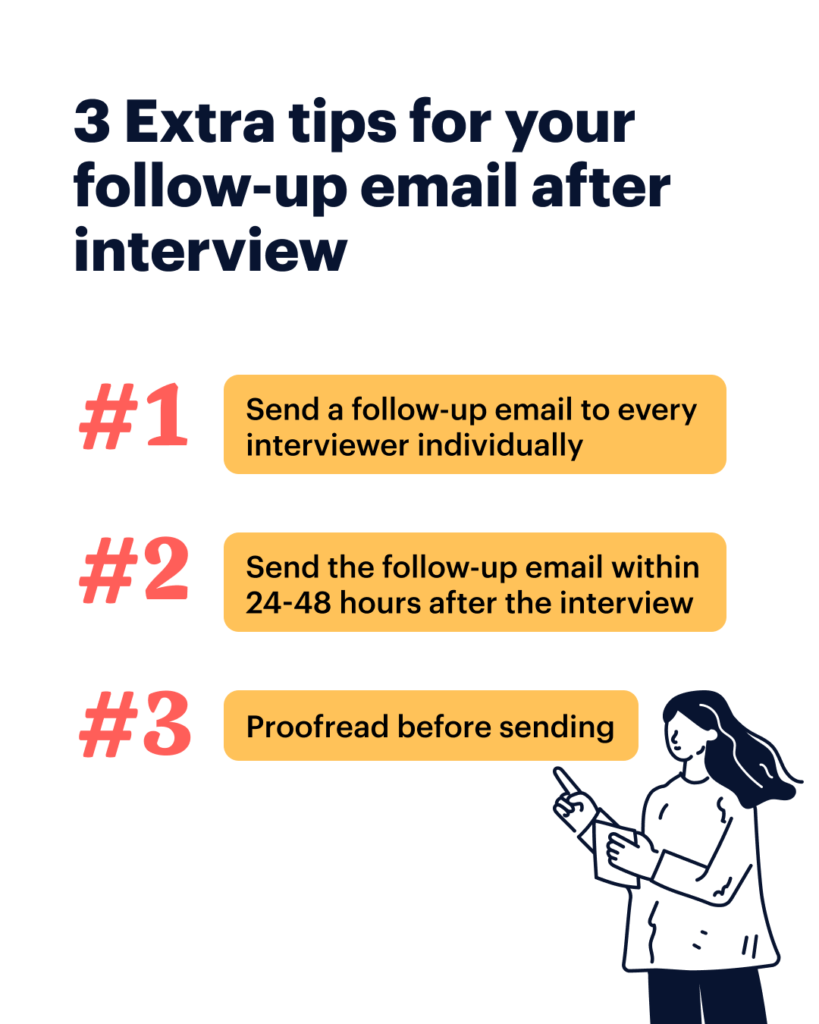
A well-structured follow-up email can make a huge difference in your post-interview communication. Here are the key components you must include to craft a perfect post-interview thank you email:
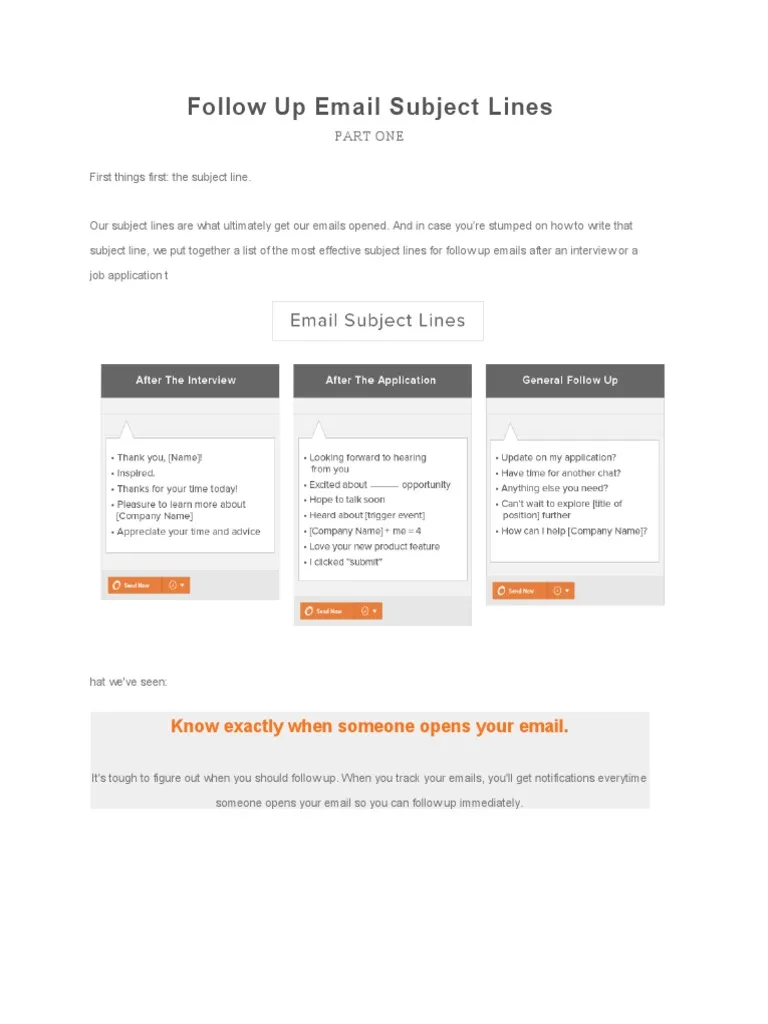
- Subject Line: The subject line is your first impression, so keep it clear and professional.
Examples:
- “Thank You for the Interview – [Job Title] – [Your Name]”
- “Follow-Up: [Job Title] Interview – [Your Name]”
- Opening Line: Start by thanking the interviewer for their time and the opportunity to discuss the role. Make sure it’s personal and specific.
Example: “Thank you for taking the time to discuss the [Job Title] position with me. I really enjoyed learning more about your team’s exciting plans.”
- Reinforce Interest: Briefly restate why you’re excited about the position and how your skills align with the company’s needs.
Example: “I’m especially excited about the opportunity to contribute to [specific project or company initiative discussed in the interview].”
- Closing Line: End by expressing your eagerness for the next steps and how you’re available for any additional information.
Example: “I look forward to hearing from you regarding the next steps and am happy to provide any further details if needed.”
Make sure your interview thank you email is concise, professional, and reflects your enthusiasm. A clear and polite tone ensures that your follow-up stands out positively.
Short and Sweet Follow-Up Email Samples
Sometimes, simplicity is the best approach. Here are two short and sweet follow-up email after interview sample templates that you can personalize based on your interview experience:
- After 24 Hours (Thank You Email)
Subject: Thank You for the Interview – [Job Title] – [Your Name]
Dear [Interviewer’s Name],
Thank you for taking the time to meet with me yesterday regarding the [Job Title] position. I really enjoyed our conversation and learning more about [Company Name].
I’m very excited about the opportunity to contribute to [specific project/initiative discussed], and I believe my experience in [specific skill] will allow me to support your team’s goals effectively.
I look forward to hearing from you regarding next steps.
Best regards,
[Your Name]
- Second Follow-Up After 1 Week (No Response Yet)
Subject: Checking In – [Job Title] Interview – [Your Name]
Dear [Interviewer’s Name],
I hope you’re doing well. I wanted to follow up on our interview for the [Job Title] position last week. I’m still very enthusiastic about the role and would love to hear any updates regarding the next steps in the hiring process.
Please let me know if you need anything further from me.
Best regards,
[Your Name]
These concise messages show professionalism while ensuring your gratitude and continued interest are communicated clearly.
READ MORE: 2026 Questions to Get to Know Someone in Job Interviews
Second Follow-Up Email: When to Send and How to Keep It Professional
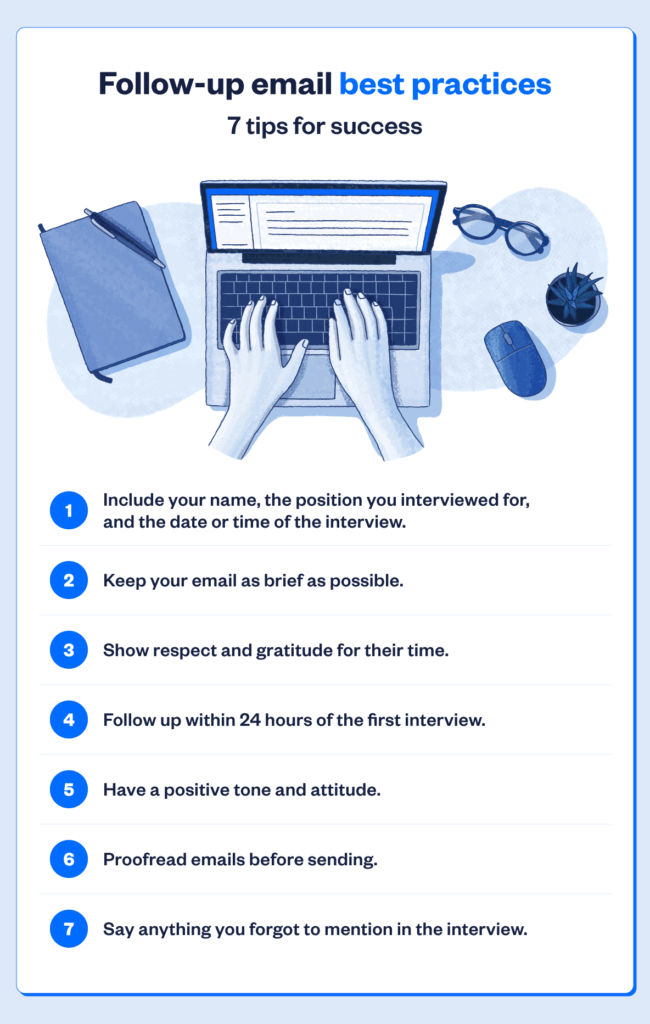
If you haven’t heard back after your initial follow-up email, a second follow-up email after interview is your next step. It’s essential to remain polite, professional, and concise. Here’s when and how to send it:
- When to Send:
After 1–2 weeks of no response, it’s appropriate to send a second follow-up. Timing is key; if the employer has provided a timeline for responses, wait until that period has passed before following up.
- How to Keep It Professional:
In your second follow-up, be respectful and avoid sounding pushy. Acknowledge that you understand the hiring process can take time, but express your continued interest and excitement about the opportunity.
Keep the tone upbeat, and let the employer know you’re available if they need any further information.
Here’s an example:
Subject: Following Up on [Job Title] Interview – [Your Name]
Dear [Interviewer’s Name],
I hope you’re well. I’m following up on our interview for the [Job Title] position on [Interview Date]. I’m still very interested in the role and would appreciate any updates on the hiring process. Please let me know if you need anything else from me.
Thank you again for your time and consideration.
Best regards,
[Your Name]
A second follow-up email shows professionalism and keeps you top of mind without being intrusive.
SEE ALSO: Exciting Marketing Jobs: Top Roles You Can’t Miss in 2026
What to Avoid in a Follow-Up Email
While follow-up emails are essential, there are a few mistakes to avoid to ensure your message is well-received:
- Being Overly Casual: Keep your tone professional. Avoid informal language or slang.
- Repetition: Don’t repeat everything from the interview. Focus on key points that reinforce your value.
- Excessive Follow-Ups: Avoid sending multiple emails within a short time frame. One well-timed second follow-up is enough.
- Being Too Demanding: Don’t ask when you’ll hear back or press for a decision. Be patient.
Following these guidelines ensures that your follow-up remains professional, polite, and effective.
Conclusion
A well-crafted follow-up email shows your appreciation and reinforces your interest in the position. Whether it’s your first thank-you message or a second follow-up, the key is to remain polite, professional, and patient. An effective appreciation letter after an interview leaves a positive impression and keeps you on the employer’s radar. Always express gratitude and maintain professionalism; this could be the deciding factor in your hiring journey.
Ready to take your interview follow-up strategy to the next level?
FollowUpPro provides a proven system that helps you craft the perfect follow-up emails, ensuring you stay top of mind and increase your chances of landing the job.
Instead of sending generic emails and hoping for the best, FollowUpPro helps you:
• Write personalized, professional follow-up emails that stand out
• Track interview timelines and know exactly when to follow up
• Optimize your subject lines and message content for higher response rates
• Receive guidance on crafting second and third follow-ups that keep you in the running
This is about making your follow-up an essential part of your interview strategy.
If you’re ready to boost your chances of securing that job offer, visit NexTechJobs now and see how strategic follow-ups can help you land your dream role faster.
FAQ
How do you politely ask about the status of your interview?
To politely ask about the status of your interview, phrase your inquiry with respect and professionalism. A good example would be:
“I hope you’re doing well. I wanted to follow up on the [Job Title] interview I had on [Date]. I’m still very interested in the position and would appreciate any updates on the hiring process. Please let me know if there’s anything further I can provide.”
How do I email asking for an update after an interview?
When emailing to ask for an update, keep it polite and professional. Here’s an example of a follow-up email:
Subject: Interview Update Request – [Job Title]
“Dear [Interviewer’s Name],
I hope you are doing well. I am following up on my interview for the [Job Title] position held on [Date]. I’m very excited about the opportunity and would appreciate any updates regarding the next steps in the process.
Thank you for your time and consideration. I look forward to hearing from you.
Best regards,
[Your Name]”
How do I follow up after an interview without being pushy?
To follow up without being pushy, show gratitude and understanding of the timeline. Keep your tone polite and professional, and avoid being too frequent in your communications. Example:
“I hope everything is going well. I just wanted to check in and see if there have been any updates regarding the [Job Title] position. I completely understand the decision-making process can take time, but I’m still very enthusiastic about the opportunity. Thank you again for considering my application.”
What is the last question you should always ask in an interview?
At the end of an interview, it’s always a good idea to ask questions that demonstrate your interest in the role and company. One valuable question is:
“What are the next steps in the hiring process?”
This shows you’re eager to move forward while also giving you an idea of when to follow up.