Book Appointment Now

How to Quit a Job Professionally: The 2026 Guide

To quit a job professionally, give your employer clear notice, speak to your manager directly, and follow up with a short resignation letter or email. Stay respectful, thank the company for the opportunity, and offer to help with the transition before your final day.
When people search for how to quit a job, the goal is simple: leave without damaging your reputation or future references. Approach the conversation calmly, explain your reason for leaving a job briefly, and keep the focus on your next step rather than complaints about the current role.
What to Do Before You Quit a Job
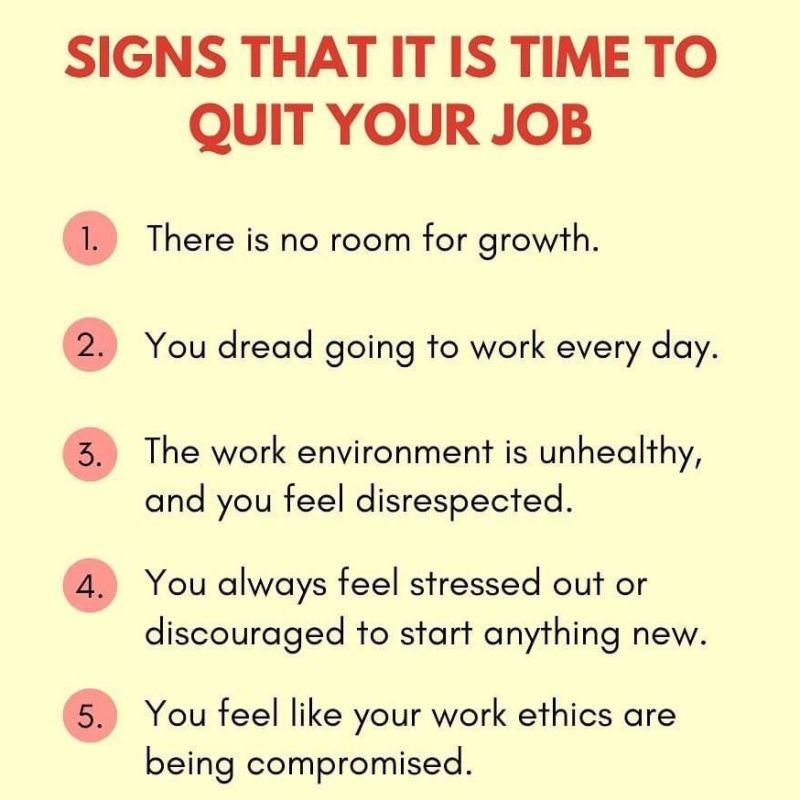
Before you quit, pause and review the situation carefully. Many people search “should I quit my job” when they feel frustrated, but a quick decision can create financial or career problems. Take time to confirm that leaving is the right move.
Start by reviewing your employment contract. Check the required notice period, any non-compete agreements, and company policies about resignation. Knowing these details helps you resign from a job correctly and avoid surprises.
Next, think about your reason for leaving a job. Employers often ask for this during exit interviews or future hiring processes. Common good reasons for leaving a job include career growth, relocation, better work–life balance, or a change in career direction. Keep your explanation professional and simple.
Finally, prepare your next step. If possible, secure another job offer or build a financial cushion before leaving. Planning ahead helps you quit confidently and explain your reason for leaving clearly when future employers ask.
RELATED: Examples of Summary in CV: Writing the Best Resume in 2026
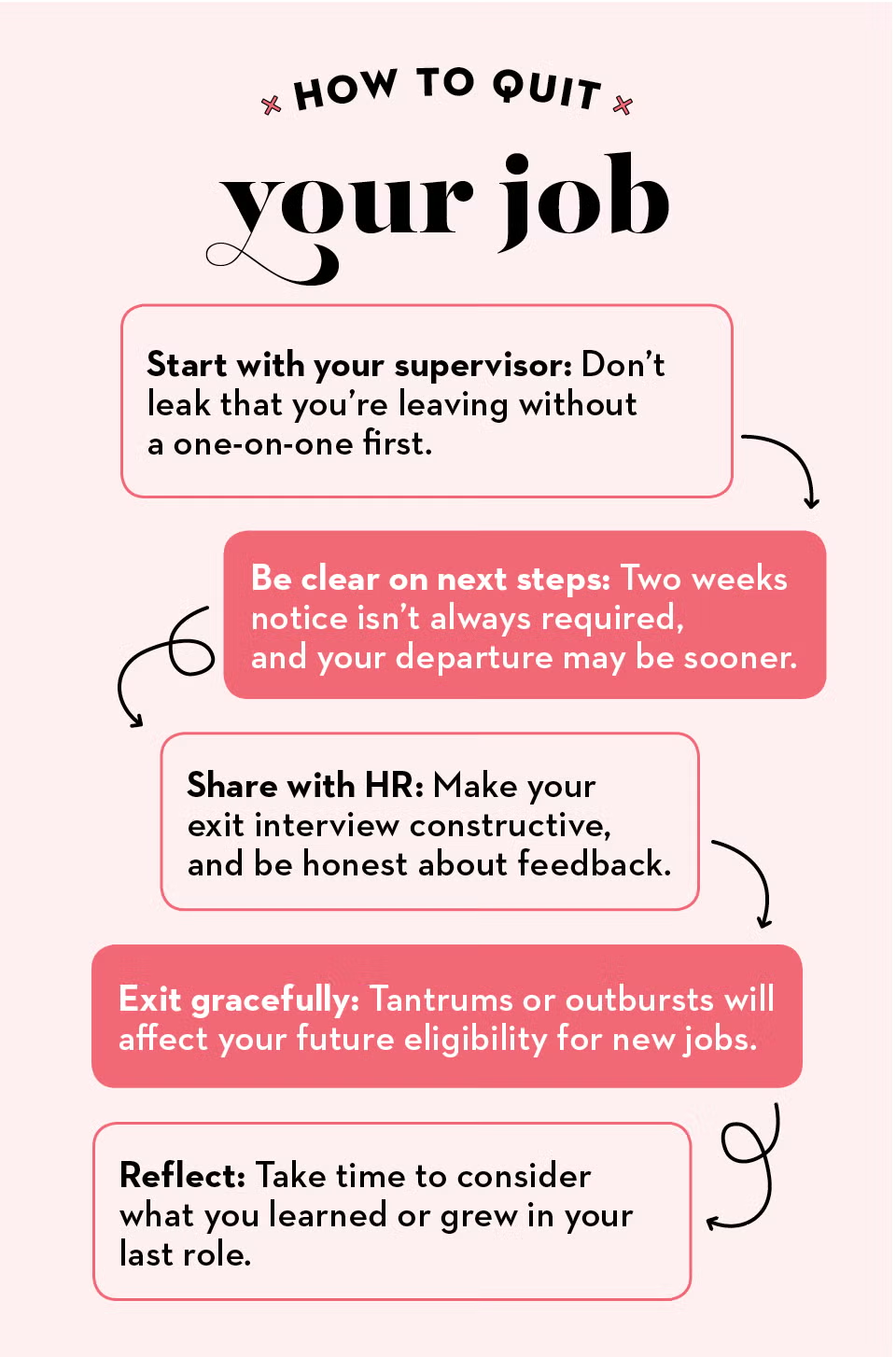
How to Quit a Job in 5 Simple Steps
If you want to quit a job professionally, follow a clear and respectful process. These steps help you leave on good terms and protect your reputation.
1. Decide your final working day
Choose a last day that respects your company’s notice period. Most employers expect at least two weeks. Confirm the date before you announce your resignation.
2. Speak with your manager first
When learning how to resign from a job, always tell your manager before anyone else. Schedule a short meeting, explain your decision, and keep the conversation calm and direct.
3. Explain your reason briefly
You do not need a long explanation. A simple statement about career growth, a new opportunity, or a personal change works well. Keep your reason for leaving a job professional and positive.
4. Send a resignation letter or email
After the conversation, send a short message confirming your resignation. A typical how to quit a job email or how to quit a job letter includes your role, your final day, and a thank-you to the company.
5. Support the transition
Offer to help document your tasks, train a replacement, or complete ongoing work. This final step shows professionalism and leaves a strong impression.
Following this how to quit a job example ensures you leave respectfully while protecting future references and career opportunities.
What to Say When Quitting a Job
Many people worry about what to say when quitting a job, but the conversation does not need to be complicated. Keep your message short, respectful, and focused on your next step rather than problems with the company.
You can use a simple script like this when speaking with your manager:
“I want to let you know that I’ve decided to move on to a new opportunity. I appreciate the experience I’ve gained here, and I will do my best to support the transition before my final day.”
If your manager asks for your reason for leaving a job, give a clear but professional answer. For example:
“I’m looking for a role that better aligns with my long-term career goals.”
Avoid criticizing the company or colleagues, even if your reason for leaving involves workplace challenges. Staying professional protects your reputation and helps you maintain positive references in the future.
READ MORE: What is a Blue Collar Job in 2026?
How to Quit a Job by Email or Letter
After you speak with your manager, confirm your resignation in writing. Most companies expect a short how to quit a job email or a simple how to quit a job letter for their records. Keep the message brief and professional.
A resignation message usually includes three things: your role, your final working day, and a thank-you to the company.
Example resignation email
Subject: Resignation Notice
Dear [Manager’s Name],
Please accept this message as my formal resignation from my position as [Job Title]. My final working day will be [date]. I appreciate the opportunity to work with the team and will do my best to support the transition during my notice period.
Sincerely,
[Your Name]
Whether you send a how to quit a job email or a printed how to quit a job letter, keep the tone polite and neutral. The goal is simply to confirm that you are leaving and provide your final date.
How to Quit a Job Without Notice, by Text, or After Just Starting
Some situations require a faster exit. While the standard approach is to give notice, people still search for how to quit a job without notice when circumstances change quickly.
Leaving without notice should be a last resort. Emergencies, unsafe work conditions, or serious personal issues may make it necessary. If this happens, inform your employer as soon as possible and keep the message respectful. Even in difficult situations, professionalism protects your reputation.
Occasionally, people ask about how to quit a job through text. Text messages work only in informal workplaces or when you cannot reach your manager another way. A phone call or meeting is still the better option whenever possible.
Another common scenario involves realizing the role is not the right fit soon after starting. If you need how to politely quit a job you just started, speak with your manager quickly and explain your decision honestly. Thank them for the opportunity and leave respectfully. Handling the situation early usually creates less disruption for both sides.
SEE ALSO: How to Write a Follow Up Email After Interview (With Samples)
Best Reasons for Leaving a Job on an Application
Many job applications ask for your reason for leaving a job. Keep the explanation short, professional, and focused on growth rather than problems with your previous employer.
Here are several good reasons for leaving a job that employers commonly accept:
- Career growth or new opportunities
- Relocation or commuting challenges
- A change in career direction
- Schedule or family responsibilities
- Company restructuring or role changes
When filling out an employment application reason for leaving, avoid negative language about managers or coworkers. A simple and positive answer usually works best.
For example, a strong good reason for leaving a job on application might be: “Seeking career growth and new professional challenges.”
Employers mainly want to see that your reason for leaving job on job application reflects professionalism and forward progress. Keep your response honest, brief, and focused on your future goals.
What Not to Do When Quitting a Job
When you quit a job, your behavior during the final days matters as much as the resignation itself. Avoid actions that could damage your professional reputation.
Do not criticize your manager, coworkers, or the company during your notice period. Even if your reason for leaving a job involves workplace challenges, keep your comments neutral and professional.
Avoid disappearing without communication unless an emergency forces you to quit a job without notice. Most employers expect a proper transition, and leaving abruptly can affect future references.
Finally, continue doing your job well until your last day. When people search how to quit a job professionally, the answer always includes finishing strong. A respectful exit helps preserve relationships and keeps doors open for future opportunities.
MORE: 2026 Questions to Get to Know Someone in Job Interviews
Leave Professionally and Move Forward
Knowing how to quit a job the right way protects your reputation and keeps your career relationships strong. Give clear notice, speak directly with your manager, and confirm your resignation with a short email or letter.
If someone asks your reason for leaving a job, keep your explanation simple and professional. Focus on growth, new opportunities, or personal goals rather than problems at your current workplace.
A respectful exit shows maturity and professionalism. When you resign from a job with courtesy and clarity, you leave the door open for strong references, future collaborations, and new career opportunities.
Final Thoughts…
Learning how to quit a job professionally is more than just handing in a resignation. It shows how you handle change, relationships, and responsibility in your career. When you communicate clearly, give proper notice, and stay respectful, you protect your professional reputation and keep valuable connections intact.
A thoughtful exit also helps you move forward with confidence. Whether your reason for leaving a job is career growth, better opportunities, or personal goals, leaving the right way ensures that your next chapter begins on a strong foundation.
Ready to Take the Next Step Toward a Better Career?
NexTechJobs helps professionals move beyond jobs that no longer serve their goals and transition into high-growth tech careers.
Instead of feeling stuck in the same role, NexTechJobs helps you:
Access career pathways into high-demand technology fields
Build practical skills that employers are actively searching for
Position yourself for better job opportunities and higher earning potential
Connect with companies that need skilled professionals in today’s digital economy
Receive guidance and career resources designed to help you move forward with confidence
If you’re thinking about how to quit a job because you want something better, the next step is preparing for the right opportunity.
Visit NexTechJobs today and discover how you can transition into a stronger, more rewarding career path.
FAQ
How do you silently quit a job?
“Silently quitting” usually means leaving without drawing attention to the situation or discussing your plans widely at work. The most professional approach is to keep your job search private, secure another opportunity if possible, and then resign directly with your manager. Inform your supervisor first, submit a brief resignation email or letter, and avoid announcing your departure to coworkers before management knows.
Should I quit my job if I’m unhappy?
If you feel unhappy at work for an extended period, it is worth evaluating the cause before deciding to quit. Consider whether the issue relates to workload, management style, lack of growth, or work-life balance. Try discussing concerns with your manager or exploring internal opportunities first. If the situation does not improve and the job continues to affect your well-being or career progress, leaving may be the healthier decision.
What is silent firing?
Silent firing refers to situations where an employer gradually pushes an employee to leave without formally terminating them. This can include removing responsibilities, limiting opportunities, excluding the employee from important meetings, or avoiding discussions about growth or promotion. Some employees interpret these changes as signals that the company prefers they resign instead of being officially dismissed.
How to quit a toxic job without burning bridges?
To leave a toxic workplace professionally, focus on maintaining composure and avoiding confrontation. Inform your manager politely, keep your explanation brief, and thank the company for the experience you gained. Continue performing your duties during the notice period and assist with the transition if possible. Even if the environment was difficult, a calm and respectful exit protects your reputation and future references.