Book Appointment Now

Productivity Hacks Best Explained in 2026?

Productivity hacks are simple strategies that help people complete tasks faster, stay focused, and reduce wasted time. These methods improve how you manage work, prioritize tasks, and maintain concentration throughout the day. In simple terms, the productivity hacks meaning refers to practical techniques that increase efficiency without requiring more effort.
People use productivity hacks to organize their workload, reduce distractions, and focus on tasks that deliver the highest results. Many of the best productivity hacks rely on proven productivity techniques such as time-blocking, task batching, and the Pomodoro technique to help individuals stay consistent and productive.
Key Productivity Hacks That Improve Work Efficiency
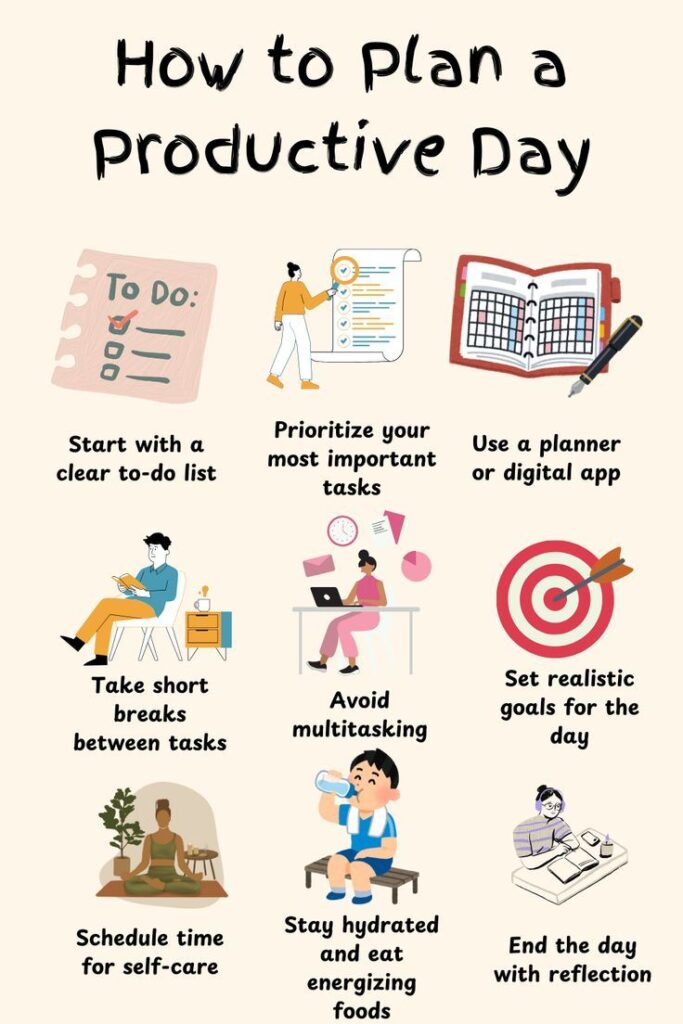
Some of the most effective productivity hacks include:
• The Pomodoro technique, which uses 25-minute focus sessions followed by short breaks
• The 2-Minute Rule, where you immediately complete tasks that take less than two minutes
• Eat the Frog, which encourages you to tackle your hardest task first
• Time-blocking, where you schedule focused work periods on your calendar
• Task batching, which groups similar tasks to reduce distractions
These best productivity hacks work because they simplify decision-making, reduce mental overload, and help you concentrate on meaningful work instead of constantly switching tasks. Many professionals now combine these productivity techniques with practical productivity tips for work to improve performance in both office environments and remote setups.
When applied consistently, productivity hacks can transform how students study, how employees manage their workload, and how remote workers stay organized.
RELATED: How to Quit a Job Professionally: The 2026 Guide
10 Best Productivity Hacks That Improve Focus and Output
The most effective productivity hacks work because they simplify how you manage time, energy, and attention. Instead of trying to work harder, these productivity techniques help you focus on the tasks that produce the greatest results. The following methods are widely used as practical productivity tips for work and daily task management.
1. Eat the Frog
“Eat the Frog” means completing your hardest or most important task first. This method removes procrastination early in the day and frees your mind to focus on other priorities. Many professionals consider it one of the best productivity hacks because it eliminates the mental pressure of delaying difficult work.
2. The 2-Minute Rule
The 2-Minute Rule is one of the simplest productivity hacks to apply. If a task takes less than two minutes to complete, do it immediately. This approach prevents small tasks from piling up and overwhelming your schedule.
3. The Pomodoro Technique
The Pomodoro technique improves focus by breaking work into short sessions. You work intensely for 25 minutes and then take a 5-minute break. These focused cycles help maintain energy levels and prevent mental fatigue, making it one of the most widely used productivity techniques.
4. Time Blocking
Time blocking helps you control your schedule instead of reacting to it. You assign specific blocks of time for deep work, meetings, and administrative tasks. Many experts recommend this method as one of the most reliable productivity tips for work because it protects time for high-priority tasks.
5. Task Batching
Task batching groups similar tasks together to reduce context switching. For example, you might answer emails at one scheduled time instead of checking them repeatedly. This technique improves efficiency and is often used as one of the most effective workplace productivity hacks.
6. The 1-3-5 Rule
The 1-3-5 Rule helps you plan a realistic workday. You aim to complete one major task, three medium tasks, and five small tasks. This structure prevents overloading your schedule and keeps your focus on meaningful progress.
7. The 80/20 Rule
The 80/20 Rule, also known as the Pareto Principle, suggests that 20 percent of your efforts produce 80 percent of your results. Identifying these high-impact tasks allows you to concentrate on work that matters most.
8. Digital Declutter
Constant notifications destroy focus. Turning off unnecessary alerts, limiting social media, and using app blockers can significantly improve concentration. This simple change is one of the easiest life hacks for work that immediately boosts productivity.
9. Strategic Breaks
Working continuously reduces mental performance. Taking short breaks, stretching, or walking helps restore focus and prevents burnout. Many professionals use this approach alongside the Pomodoro technique to maintain consistent productivity.
10. Plan the Next Day Before You Finish Work
Planning tomorrow’s tasks before ending your workday helps you start the next morning with clarity. This habit eliminates decision fatigue and is considered one of the most practical productivity tips for work used by high-performing teams.
Together, these best productivity hacks help individuals stay focused, manage their workload efficiently, and maintain consistent output throughout the day.
READ MORE: Examples of Summary in CV: Writing the Best Resume in 2026
Productivity Hacks for Students and Employees
Different environments require different productivity strategies. Students must manage studying, assignments, and deadlines, while employees handle meetings, projects, and workplace expectations. Applying the right productivity hacks for students and productivity hacks for employees can significantly improve performance in both settings.
Productivity Hacks for Students
Students often struggle with distractions, procrastination, and poor time management. Using structured productivity techniques can help them stay organized and maintain focus during study sessions.
Some effective productivity hacks for students include:
- Use the Pomodoro technique to study in focused 25-minute sessions with short break
- Break large assignments into smaller tasks to reduce overwhelm
- Create a daily study plan that prioritizes the most important subjects
- Remove digital distractions by turning off unnecessary notifications
- Review notes regularly instead of cramming before exams
These strategies help students stay consistent and improve how they absorb information. By applying simple productivity hacks, students can study more efficiently without increasing study hours.
Productivity Hacks for Employees
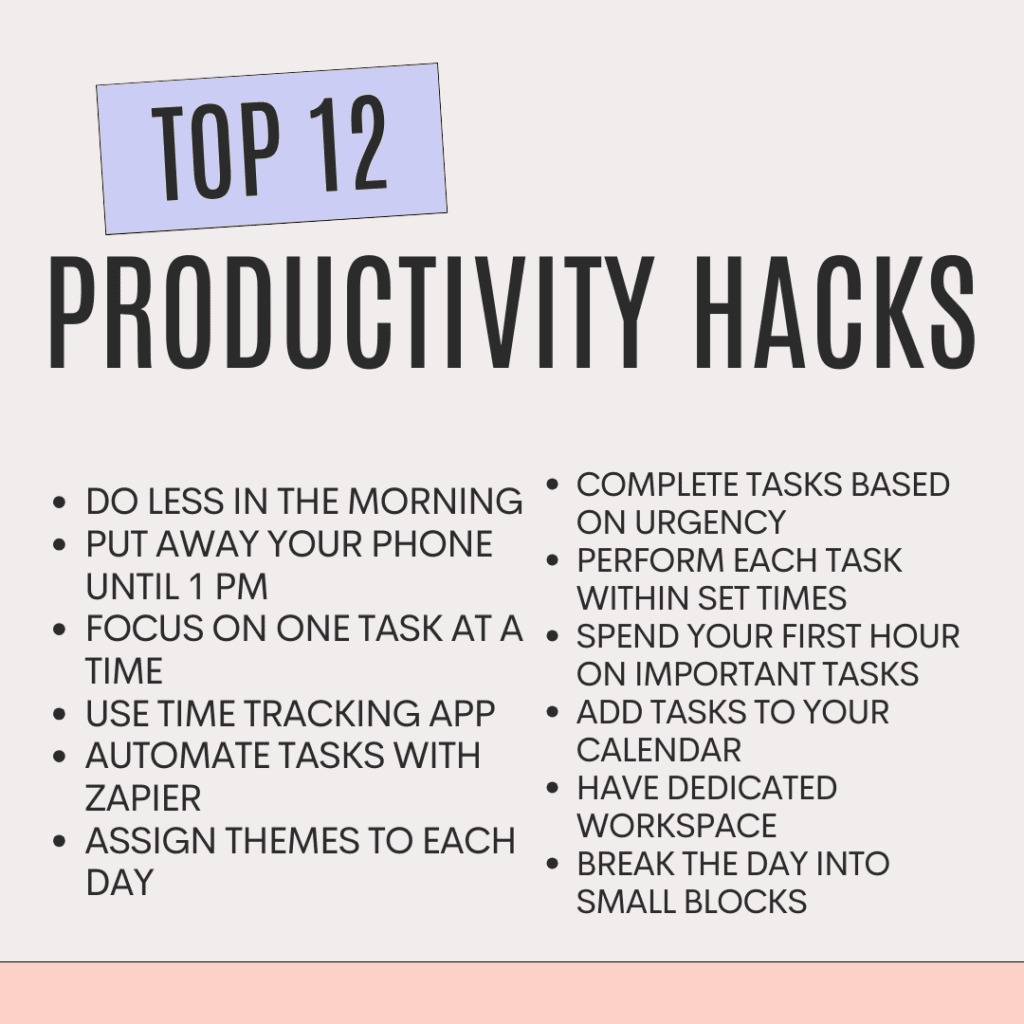
Employees face different productivity challenges such as meetings, deadlines, and multitasking. Implementing structured productivity hacks for employees can help professionals manage their workload and improve efficiency at work.
Some practical workplace productivity hacks include:
• Prioritize tasks using the Eat the Frog method to handle difficult work first
• Schedule focused work periods using time-blocking
• Batch routine tasks like emails and reports to reduce interruptions
• Limit unnecessary meetings and protect time for deep work
• Review priorities at the beginning of each workday
These tips for productivity at work help employees stay focused on meaningful tasks and reduce wasted time. When organizations encourage these workplace productivity hacks, teams often experience better efficiency and improved overall performance.
SEE ALSO: What is a Blue Collar Job in 2026?
How the Pomodoro Technique Improves Focus
The Pomodoro technique is one of the most popular productivity techniques used to improve concentration and prevent mental fatigue. The method divides work into short, focused sessions that help people stay productive without feeling overwhelmed.
The process is simple:
- Choose one task to work on
- Set a timer for 25 minutes
- Work with full focus until the timer ends
- Take a 5-minute break
- Repeat the cycle four times, then take a longer break
This structure helps the brain maintain focus because it creates clear boundaries between work and rest. Instead of working for long, exhausting hours, the Pomodoro technique encourages consistent bursts of deep concentration.
Many professionals and students consider it one of the best productivity hacks because it reduces distractions and improves task completion. When people know they only need to concentrate for a short period, they find it easier to start difficult work.
The technique also works well for individuals who struggle with attention challenges. Many people who explore productivity hacks for ADHD use timer-based work sessions to maintain focus and manage mental fatigue.
By combining the Pomodoro technique with other productivity hacks like time-blocking and task prioritization, individuals can significantly improve how they manage their daily workload.
Productivity Hacks for Remote Workers
Remote work offers flexibility, but it also introduces distractions and blurred boundaries between work and personal life. Applying the right productivity hacks helps remote workers maintain focus, stay organized, and avoid burnout.
Work From Home Tips That Improve Productivity
Successful remote workers create structure in their daily routines. These work from home tips help maintain consistency and reduce distractions:
• Create a dedicated workspace that separates work from personal activities
• Start the day with a clear task list to avoid decision fatigue
• Use time-blocking to schedule focused work periods
• Keep your phone away during deep work sessions
• Take short breaks to maintain energy and prevent fatigue
These simple work from home advice strategies train your brain to treat your workspace as a place for focused work, even when you are at home.
How to Stay Productive Working From Home
Learning how to stay productive working from home requires both discipline and structure. Many remote professionals apply proven productivity hacks to manage their schedule and maintain steady output.
Some effective approaches include:
• Begin the day with your most important task
• Use the Pomodoro technique for focused work sessions
• Schedule breaks to maintain energy throughout the day
• Avoid multitasking and focus on one task at a time
• Set clear working hours to maintain work-life balance
These practical productivity tips for work help remote workers stay focused while maintaining flexibility. By combining structured routines with the right productivity techniques, individuals can maintain high performance even outside a traditional office environment.
MORE: How to Write a Follow Up Email After Interview (With Samples)
Productivity Hacks for ADHD and Focus Challenges
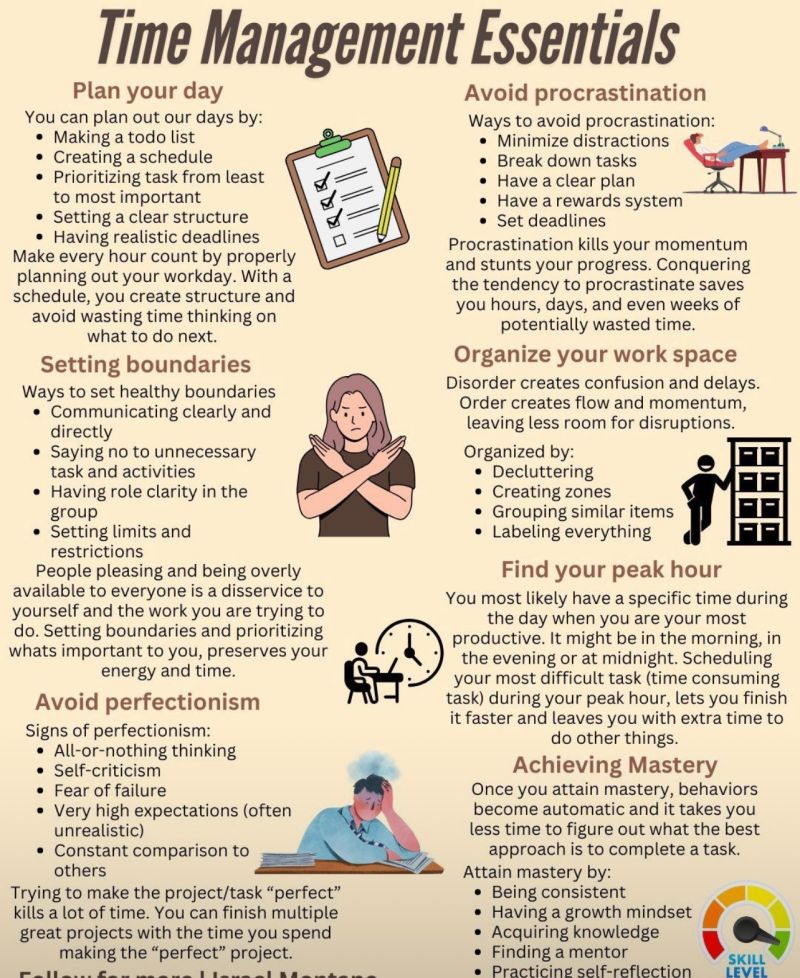
People who struggle with attention often find traditional productivity systems difficult to maintain. The right productivity hacks for ADHD focus on reducing overwhelm, simplifying tasks, and creating clear structure throughout the day.
One of the most effective approaches involves breaking work into short, manageable sessions. Techniques like the Pomodoro technique help individuals concentrate for a fixed period without feeling pressured to focus for long hours. This method reduces mental fatigue and helps maintain momentum.
Several practical productivity hacks for ADHD include:
- Use timers to create short focus sessions and prevent burnout
- Break large projects into smaller, clearly defined tasks
- Write tasks down in a visible checklist to avoid forgetting priorities
- Remove distractions such as phone notifications during work sessions
- Start with a quick task to build momentum before tackling bigger work
These strategies help reduce cognitive overload and make it easier to begin tasks that might otherwise feel overwhelming. Many people combine these methods with simple productivity techniques such as time-blocking or task batching to create a more structured workflow.
The goal of these productivity hacks is not to force long periods of concentration but to create small, repeatable systems that make it easier to start and finish work consistently.
Popular Productivity Techniques from Books and Experts
Many well-known productivity techniques come from books and research on human performance. These ideas shaped several of the best productivity hacks people use today in workplaces, schools, and remote work environments.
One of the most influential ideas comes from David Allen’s productivity hacks book, Getting Things Done. The system encourages people to capture tasks in a trusted list, break work into actionable steps, and focus on one task at a time. The well-known 2-Minute Rule comes from this method and remains one of the simplest productivity hacks for managing small tasks.
Another widely referenced approach appears in Cal Newport’s book Deep Work. Newport emphasizes protecting time for uninterrupted concentration. His concept of deep work has inspired many workplace productivity hacks, including time-blocking and eliminating digital distractions.
James Clear’s Atomic Habits also contributes to modern productivity techniques by showing how small habits compound over time. Instead of relying on motivation, Clear recommends building systems that make productive actions easier to repeat daily.
These books demonstrate that effective productivity hacks are not random tricks. They come from structured systems that help people manage attention, habits, and priorities more effectively. Many professionals combine lessons from these books with practical productivity tips for work to create routines that support consistent progress.
READ ALSO: 2026 Questions to Get to Know Someone in Job Interviews
Simple Workplace Productivity Hacks That Save Time
Many professionals struggle to stay focused in busy work environments filled with meetings, emails, and constant interruptions. Applying simple workplace productivity hacks can help employees manage their workload more efficiently and focus on high-impact tasks.
One effective approach involves batching similar tasks together. For example, answering emails during scheduled blocks of time instead of checking them constantly prevents unnecessary distractions. This strategy reduces context switching and improves concentration.
Another useful method is limiting meetings. Many teams schedule meetings that could easily be replaced with short written updates. Reducing unnecessary meetings allows employees to dedicate more time to meaningful work.
Professionals also benefit from prioritizing tasks based on impact. Identifying the tasks that produce the most results helps teams focus on work that truly matters instead of reacting to every request.
Some practical life hacks for work include:
- Batch emails and communication tasks into specific time slots
- Use time-blocking to protect deep work sessions
- Keep daily task lists short and realistic
- Remove unnecessary notifications during focused work
- Review priorities at the beginning of the day
These tips for productivity at work help professionals stay organized and maintain consistent progress throughout the workday. When employees apply these workplace productivity hacks, they reduce wasted time and improve the quality of their work.
One Productivity Tip That Changes Everything
One powerful productivity tip many high performers follow is to manage energy instead of just time. People often try to schedule every minute of their day, but productivity improves when you focus on working during your peak energy periods.
Every person has natural cycles of concentration. Some people work best early in the morning, while others perform better later in the day. Recognizing these patterns helps you schedule demanding tasks when your focus is strongest.
For example, you can plan creative work, strategic thinking, or complex problem-solving during your peak hours. Save lighter tasks such as emails or administrative work for times when your energy drops.
This approach works because productivity depends on attention and mental stamina, not just time availability. Many experts combine this strategy with proven productivity techniques like time-blocking or the Pomodoro technique to maximize focus during their most productive hours.
When you align your schedule with your energy levels, productivity hacks become easier to apply and your output improves without increasing your workload.
Final Thoughts…
The most effective productivity hacks work because they simplify how you manage time, attention, and priorities. Instead of trying to do more work, these strategies help you focus on the tasks that produce the greatest results.
Simple productivity techniques such as the Pomodoro technique, time-blocking, and the 2-Minute Rule allow individuals to stay focused and avoid unnecessary distractions. When applied consistently, these methods improve how students study, how employees manage their workload, and how remote professionals stay organized.
The key is not to use every productivity method available. Instead, select a few best productivity hacks that match your workflow and apply them consistently. Over time, these small improvements create stronger habits and better work performance.
Whether you are exploring productivity hacks for students, productivity hacks for employees, or learning how to stay productive working from home, the goal remains the same: focus on meaningful work, manage distractions, and build systems that support steady progress.
Ready to Work Smarter and Get More Done Every Day?
Improving your productivity is not about working longer hours. It is about using the right systems to stay focused, manage distractions, and complete meaningful work more efficiently.
Instead of feeling overwhelmed by endless tasks, you can apply proven productivity hacks to take control of your time and output.
By applying the right strategies, you can:
- Improve your focus during important work sessions
- Reduce distractions that interrupt your workflow
- Organize tasks using simple productivity techniques
- Maintain consistent progress without burnout
- Build daily habits that support long-term success
The most effective professionals rely on practical productivity techniques and structured routines to stay ahead in demanding work environments.
Start applying these best productivity hacks today and create a work routine that helps you stay focused, organized, and consistently productive.
FAQ
What is the 3-3-3 rule for productivity?
The 3-3-3 rule for productivity helps people structure their day around focused work blocks. The rule suggests completing three hours of deep work on your most important task, handling three smaller tasks that require attention, and completing three short maintenance activities such as emails or quick administrative work. This approach prevents overload and ensures that meaningful work receives priority.
What are the 5 D’s of productivity?
The 5 D’s of productivity help people manage tasks more efficiently by deciding what action to take with each task. The five steps are:
Do – complete the task immediately if it requires little time
Delay – postpone the task if it is not urgent
Delegate – assign the task to someone else if appropriate
Diminish – reduce the effort needed to complete the task
Delete – remove tasks that do not add value
Using this framework helps individuals avoid wasting time on unnecessary work.
What are the top 10 productivity apps?
Many professionals rely on productivity apps to manage tasks, schedules, and focus. Some of the most widely used tools include:
Notion for organizing notes, tasks, and projects
Todoist for managing daily task lists
Trello for visual project management
Asana for team collaboration and workflow tracking
ClickUp for task and productivity management
Forest for staying focused during work sessions
RescueTime for tracking digital habits and screen time
Evernote for note organization and idea capture
Google Calendar for scheduling and time-blocking
Freedom for blocking distracting websites and apps
These tools help individuals apply productivity systems more consistently.
What is the 8-8-8 rule for life?
The 8-8-8 rule divides the day into three balanced sections to support productivity and well-being. The idea suggests spending 8 hours working, 8 hours resting or sleeping, and 8 hours on personal activities such as family time, hobbies, or exercise. This structure encourages a balanced lifestyle while maintaining consistent work output.