Book Appointment Now

What is a Professional Request Letter?
A professional request letter is a formal written document used to ask for something in a business or professional setting. Whether you are requesting permission, approval, or resources, this type of letter ensures your request is taken seriously and responds to your need in a respectful and professional manner.
A professional request letter typically follows a standard structure, including an introduction, body, and conclusion. It is an essential tool in communicating clearly and effectively in the workplace, whether you’re requesting a raise, scheduling time off, or asking for help on a project.
In this article, we’ll explore the key components of a professional request letter and why it’s important to make a formal request, rather than relying on informal communication methods.
The professional request letter format serves as a guideline to help ensure your request is both clear and professional. It’s an ideal way to structure your message to someone who may not know you well or to someone in a senior position, such as a manager or supervisor.
By using a professional request letter, you can outline your needs, provide justification, and demonstrate your professionalism and respect for the recipient’s time and authority. This approach greatly increases the likelihood of your request being granted.
Why Writing a Professional Request Letter Matters
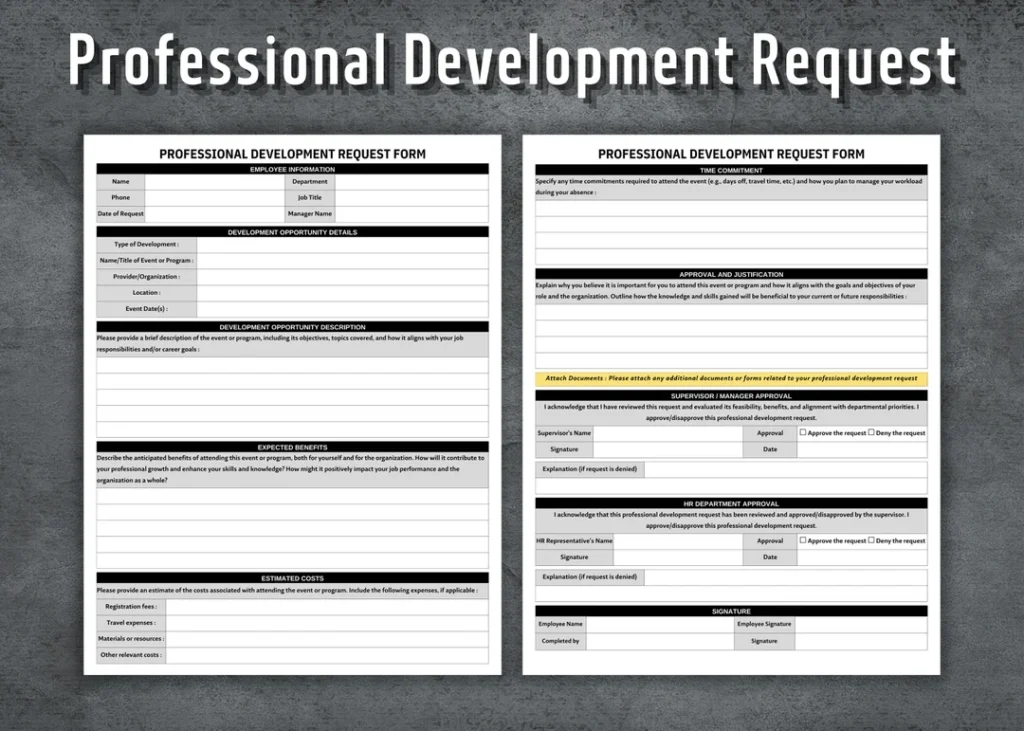
Writing a professional request letter is more than just following a format; it’s about conveying your message clearly and respectfully. It helps you stand out as a professional who values effective communication, which is crucial in any workplace. Whether you’re asking for approval, requesting resources, or seeking permission for something, a well-crafted request demonstrates your ability to communicate effectively and professionally.
Here are a few reasons why writing a professional request letter matters:
- Clarity and Directness
A professional request letter ensures your request is understood. By explicitly stating what you need and why, you minimize the chances of confusion or misinterpretation. A clear, direct letter leaves no room for ambiguity, making it easier for the recipient to make a decision.
- Professionalism and Respect
Taking the time to write a formal letter shows that you respect the recipient and their time. It communicates that you’re serious about your request and are following the appropriate channels, whether you are asking for a reference or requesting time off. This level of professionalism builds trust and credibility.
- Creating a Record
A written professional request letter provides a permanent record of your request. This can be useful for future reference, especially if your request involves approvals, changes, or agreements that need to be documented. Having a written record ensures clarity in case of disputes or misunderstandings.
- Formality for Important Requests
Some requests, especially those involving approvals, budgets, or personal recommendations, require a higher level of formality. A professional request email or letter ensures the seriousness of your request is communicated. It also demonstrates that you understand when to use formal communication channels rather than informal chats or emails.
By writing a professional request letter, you’re not just asking for something; you’re showing that you understand the importance of professionalism and the process of requesting resources or decisions in a business setting.
RELATED: How to Write a Follow Up Email After Interview (With Samples)
Step-by-Step Guide to Writing a Professional Request Letter
Writing a professional request letter involves several key steps. Following a clear, structured format ensures that your message is both effective and respectful. Below is a step-by-step guide to help you craft your letter:
1. Opening Salutation
Start your letter with a formal greeting. Use “Dear [Recipient’s Name],” followed by a comma. If you don’t know the recipient personally, it’s safe to use “Dear Sir/Madam” or “To Whom It May Concern.”
2. State the Purpose of the Letter
In the first few lines, state the purpose of your request. Be direct and clear about what you are asking for. For instance, you might write, “I am writing to request approval for [describe what you need].” This sets the tone for the rest of your letter and lets the recipient know immediately what your request is about.
3. Explain Your Request in Detail
Provide more context about your request in the body of the letter. This is where you outline the specifics. For example, if you’re requesting time off, explain the dates you’re asking for and why you need the time off. If you’re asking for a professional reference letter, explain the purpose behind the request and any relevant details that will help the recipient understand your need.
Be sure to remain polite and professional while explaining why your request is important. This helps justify your need and makes it easier for the recipient to understand the value of fulfilling your request.
4. Provide Justification for the Request
After outlining your request, offer a reason or justification. This is essential when you are asking for something significant, like requesting a raise, approval for a project, or resources for a team. Use clear, concise language to explain how your request will benefit the recipient or the company. If relevant, include any supporting facts, data, or evidence.
For instance, if you are asking for a reference letter, explain why this letter is important for your career advancement and how it will help you achieve specific goals.
5. Close with Gratitude and a Call to Action
End your letter by expressing gratitude for the recipient’s time and consideration. For example, “Thank you for considering my request.” Then, include a polite call to action, such as asking for a meeting, approval, or response by a certain date. This helps set expectations and shows initiative.
Example: “I would appreciate it if we could schedule a meeting to discuss this further at your earliest convenience.” Or, “Please let me know if you need any additional information.”
6. Closing Salutation
End your letter with a formal closing, such as “Sincerely,” “Best regards,” or “Yours faithfully,” followed by your name. If you have a professional title, you may include it as well.
By following these steps, you ensure that your professional request letter is clear, concise, and effective. This structure helps the recipient easily understand your request and gives them the information they need to make a decision. Whether you are requesting a favor or asking for approval, this method will help your letter stand out in a professional and respectful manner.
READ MORE: What is a Blue Collar Job in 2026?
Examples of Professional Requests
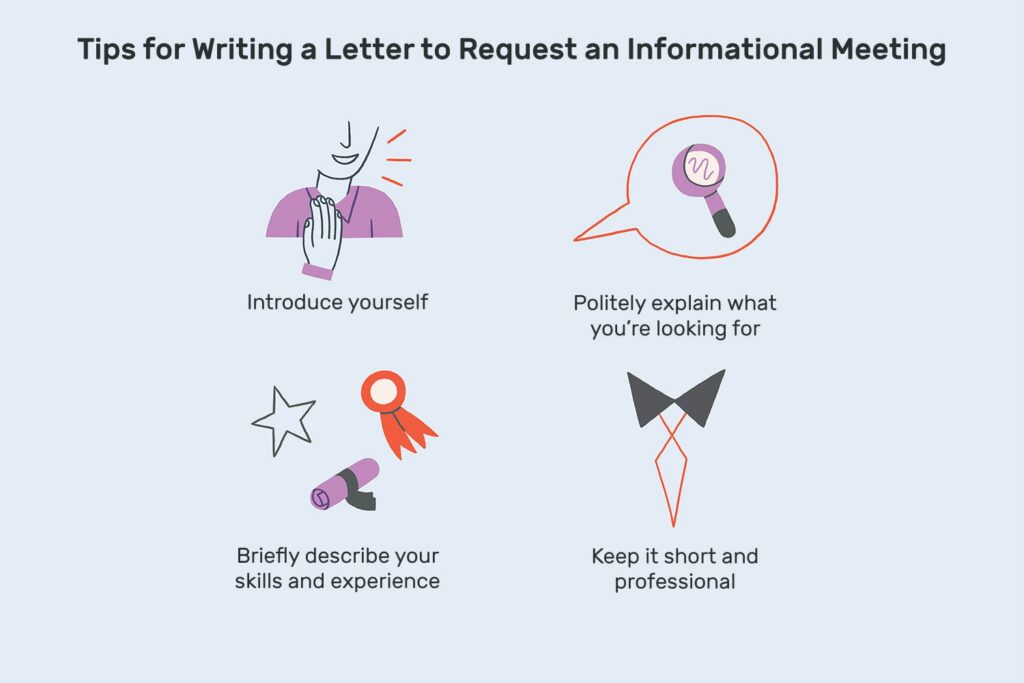
To help you better understand how to write a professional request letter, here are some practical examples you can follow. These examples will illustrate how to structure your own requests, making them clear, concise, and professional.
1. Professional Request for Approval Example
Subject: Request for Approval of Marketing Budget
Dear [Manager’s Name],
I am writing to request approval for the proposed marketing budget for Q2. This budget is designed to cover the cost of advertising campaigns, content creation, and promotional activities aimed at increasing our product visibility and sales during the upcoming quarter.
The budget has been carefully reviewed, and I believe it will effectively support our goals for the next quarter. I would appreciate it if you could review the proposal and let me know if you approve the outlined expenditures.
Thank you for your time and consideration. I look forward to hearing your feedback.
Sincerely,
[Your Name]
[Your Position]
2. Professional Request Email for Reference Letter
Subject: Request for a Professional Reference Letter
Dear [Recipient’s Name],
I hope you are doing well. I am in the process of applying for a new position, and I would greatly appreciate it if you could provide a professional reference letter that speaks to my work experience and skills during my time at [Company Name].
The role I am applying for focuses on [briefly mention the role], and I believe your perspective on my abilities and achievements would be valuable in strengthening my application. If you need any additional information or specific details for the reference, please feel free to let me know.
Thank you for considering my request. I understand this requires your time, and I sincerely appreciate your support.
Best regards,
[Your Name]
3. Short Request Letter Sample for Time Off
Subject: Request for Vacation Time
Dear [Manager’s Name],
I am writing to formally request time off from work from [start date] to [end date]. I have ensured that all my tasks will be completed or delegated during my absence to ensure a smooth workflow.
Please let me know if there are any concerns regarding my time off request. I would appreciate it if you could confirm the dates as soon as possible.
Thank you for your understanding.
Sincerely,
[Your Name]
4. Professional Partnership Request Email Template
Subject: Request for Professional Partnership Opportunity
Dear [Recipient’s Name],
I hope this message finds you well. I am writing to explore a potential professional partnership between [Your Company Name] and [Recipient’s Company Name]. I believe that our combined resources and expertise in [industry/field] could lead to a mutually beneficial relationship.
If this opportunity aligns with your company’s goals, I would love the chance to discuss it further. Please let me know a suitable time for us to connect and explore this partnership in greater detail.
Thank you for your time and consideration.
Best regards,
[Your Name]
These examples illustrate the professional request format and can be adapted to suit a variety of situations. Whether you’re requesting approval, asking for a reference letter, or exploring a professional partnership, the same principles of clarity, respect, and conciseness apply.
SEE ALSO: Examples of Summary in CV: Writing the Best Resume in 2026
How to Ask for Something Professionally (Email and Letter)
Asking for something professionally, whether through email or a formal letter, is an important skill that can greatly impact your success in the workplace. Whether you’re asking for a raise, requesting time off, or simply asking for a favor, following the proper approach ensures that your request is taken seriously and responded to positively.
Here are some tips and examples on how to ask for something professionally in an email or letter:
1. How to Ask Nicely for Something in Email
When making a request via email, it’s important to strike the right balance between being polite and clear. A well-crafted email should state your request in a direct yet courteous manner, ensuring the recipient understands your needs without feeling pressured.
Here’s how you can ask for something nicely:
- Use a Polite Tone: Always start with a greeting and use respectful phrases like “I would appreciate it if…” or “Would it be possible to…”
- Be Direct: Make sure your request is easy to understand. Avoid long explanations and get to the point.
- Express Gratitude: Always thank the recipient in advance for considering your request.
Example:
Subject: Request for Flexible Work Hours
Dear [Manager’s Name],
I hope you are well. I would like to request flexibility in my working hours for the upcoming project. Would it be possible for me to adjust my schedule and work from home on [specific days]?
This change would help me manage my workload more efficiently while continuing to meet deadlines and collaborate with the team. I would appreciate it if you could consider this request.
Thank you for your time and consideration.
Best regards,
[Your Name]
2. How to Ask for a Reference Letter
Asking for a reference letter can feel intimidating, but it’s an essential request in many professional settings. Whether you need a reference for a new job, a promotion, or a personal project, here’s how to ask for one in a way that is professional and respectful.
- Explain the Reason for the Request: Let the person know why you’re asking for a reference letter and how it will help you achieve your professional goals.
- Make It Easy: Offer to provide details, such as the job description or key points you’d like the letter to address, to make it easier for the person to write it.
- Be Grateful: Always express genuine thanks for their time and effort in helping you.
Example:
Subject: Request for Professional Reference Letter
Dear [Recipient’s Name],
I hope you are doing well. I am in the process of applying for a new position at [Company Name], and I would be truly grateful if you could provide a reference letter to support my application.
Your insights into my work at [Company Name] would be invaluable in showcasing my qualifications for the role. I would be happy to provide any information you may need to make the process easier, such as the job description or specific skills the company is seeking.
Thank you very much for considering my request. I appreciate your time and assistance.
Sincerely,
[Your Name]
3. How to Ask for a Favor in Email
Asking for a favor requires careful wording to ensure the request comes across as polite and considerate. It’s important to keep the tone light, respectful, and appreciative.
- Be Specific: Clearly explain the favor you are requesting. Avoid vagueness to ensure the recipient knows exactly what you need.
- Acknowledge the Recipient’s Time: Recognize that you are asking for something, and show understanding of their time and potential limitations.
- Offer Something in Return: If appropriate, offer your assistance in return or express willingness to make it as easy as possible for them to fulfill your request.
Example:
Subject: Request for a Quick Favor
Dear [Recipient’s Name],
I hope you’re doing well. I have a small favor to ask. Would you be able to provide me with a reference for [specific project, job, etc.]? It would greatly help me in [state how the reference will benefit you].
I completely understand if you’re unable to assist, but I would deeply appreciate your help. If you need any details or would prefer a quick conversation about it, please let me know.
Thank you so much for your time and consideration.
Best regards,
[Your Name]
4. How to Ask for a Favor in a Professional Request Letter
A professional request letter asking for a favor should follow the same principles as an email, but with a more formal tone. Always maintain politeness and structure, and be respectful of the recipient’s time.
Example:
Subject: Request for Assistance with Upcoming Presentation
Dear [Recipient’s Name],
I hope this message finds you well. I am reaching out to request your assistance with an upcoming presentation I am preparing for [specific project or event]. Given your expertise in [subject], I would greatly appreciate your feedback on the presentation slides before the final submission.
Your insights would be invaluable in ensuring that the content is both informative and well-received by our audience. If you are available to assist, please let me know a time that works best for you, and I will send over the slides for review.
Thank you for your time and consideration. I look forward to your response.
Sincerely,
[Your Name]
MORE: How to Quit a Job Professionally: The 2026 Guide
Common Mistakes to Avoid When Writing a Professional Request Letter
Even though writing a professional request letter may seem straightforward, many people make common mistakes that reduce the chances of their request being successful. To help you craft a more effective and professional request, here are some mistakes you should avoid:
1. Being Vague or Ambiguous
One of the most common mistakes in professional request letters is not being clear about what you are asking for. If your request isn’t specific, the recipient may be unsure about what action to take.
What to do instead:
Be as specific as possible. Clearly state what you need, when you need it, and why it’s important. For example, if you’re requesting time off, include the specific dates and explain why you need the time off (if appropriate). If you are asking for a reference letter, mention the role you’re applying for and the skills you would like them to highlight.
Example of a vague request:
“I’m writing to request some time off.”
Improved version:
“I am writing to request time off from [start date] to [end date] for personal reasons. I’ve ensured my work will be covered during my absence.”
2. Overloading the Letter with Unnecessary Information
While it’s important to provide enough context for your request, including irrelevant details can overwhelm the reader and detract from the main point. Keep your letter concise and to the point.
What to do instead:
Stick to the key points. Focus on your request, the reason behind it, and any necessary details to help the recipient understand and respond. Avoid providing too much backstory unless it directly supports your request.
Example of unnecessary detail:
“I have been feeling a little overwhelmed lately, with a mix of personal issues and professional challenges, which is why I need some time off. I’ve had to deal with some personal matters and I could really use a break…”
Improved version:
“I am writing to request time off from [start date] to [end date] for personal reasons. I’ve made arrangements for my responsibilities to be covered during my absence.”
3. Using Informal Language
A professional request letter should always maintain a formal and respectful tone. Using informal or overly casual language can make your request seem unprofessional and reduce its impact.
What to do instead:
Maintain a formal tone throughout the letter, using polite and professional language. Avoid slang or overly casual phrases, and instead use professional greetings and closings.
Example of informal language:
“Hey, I was hoping you could approve my time off request. Let me know!”
Improved version:
“Dear [Manager’s Name],
I hope this message finds you well. I am writing to request your approval for time off from [start date] to [end date].”
4. Failing to Follow Up
Once you’ve sent your professional request letter, it’s easy to assume that the recipient will automatically respond. However, it’s important to follow up, especially if the request is time-sensitive. Failing to do so can leave your request unresolved.
What to do instead:
If you haven’t received a response within a reasonable timeframe (typically 5-7 days), send a polite follow-up email or letter. This shows you’re still interested in a response and can help remind the recipient to act on your request.
Example of a poor follow-up:
“I sent an email last week, and I haven’t heard anything back. Can you get back to me?”
Improved version:
“Dear [Recipient’s Name],
I hope you’re doing well. I wanted to follow up on my recent request for [state the request]. I understand you may be busy, but I would appreciate it if you could provide an update at your earliest convenience.”
READ: Productivity Hacks Best Explained in 2026?
5. Ignoring the Recipient’s Time
When making a request, it’s essential to acknowledge the recipient’s time. If you demand an immediate response or fail to consider their schedule, it may come across as inconsiderate.
What to do instead:
Be polite and realistic with your timeline. If the request isn’t urgent, give the recipient ample time to respond. If you need an urgent response, kindly explain the urgency and ask if it’s possible to prioritize your request.
Example of poor timing:
“I need your approval for this by the end of the day, as I need to act on this immediately.”
Improved version:
“I understand you may have other priorities, but I would appreciate your approval for this request by [specific date]. Please let me know if this is possible.”
6. Not Expressing Gratitude
Failing to express gratitude can make the recipient feel unappreciated, even if they grant your request. It’s important to thank the recipient for their time and consideration, whether they approve your request or not.
What to do instead:
Always express appreciation for the recipient’s time and consideration, regardless of the outcome. Gratitude fosters goodwill and encourages positive future interactions.
Example without gratitude:
“I’m writing to ask you for approval on my time off request. Please let me know when you can.”
Improved version:
“Thank you for taking the time to consider my request. I appreciate your attention to this matter and look forward to hearing from you soon.”
Conclusion
Avoiding these common mistakes will ensure your professional request letter is clear, respectful, and effective. By being specific, concise, polite, and appreciative, you increase the likelihood that your request will be granted. Always remember that a well-crafted request demonstrates professionalism and respect for the recipient’s time and resources.
Take the First Step Toward Your Dream Job Today
Don’t waste time sending generic resumes that go unnoticed.
At NextTechJobs, we tailor your resume, optimize your LinkedIn, and prepare you for interviews—ensuring you’re ready for the job you want.
Book your FREE Career Strategy Call now and let’s map out your path to success.
FAQ
How to write a professional request?
To write a professional request, follow these steps:
Start with a clear purpose: State what you’re requesting in the first paragraph.
Provide context: Briefly explain why you’re making the request.
Use polite and formal language: Maintain a respectful tone.
Be concise: Avoid unnecessary details, and focus on the core request.
Close respectfully: Thank the recipient in advance and provide a clear call to action (e.g., “Please let me know by [date]”).
Professional request letter example: “I would like to request approval for [request]. Please let me know if you need any further information.”
What are 5 examples of requests?
Here are five examples of professional requests:
Request for Time Off: “I would like to request vacation leave from [date] to [date].”
Request for a Raise: “I would like to request a salary review based on my recent performance and contributions.”
Request for Reference Letter: “I’m writing to request a reference letter for a job application.”
Request for Information: “Could you please provide the details of the upcoming project?”
Request for Meeting: “I would like to request a meeting to discuss [topic] at your earliest convenience.”
What does “professional letter” mean?
A professional letter refers to any formal correspondence used in a business or professional context. This includes letters for requesting something, making announcements, responding to issues, or following up on actions. It is typically written in a formal tone, following a standardized structure with a salutation, body, and closing. Professional letters are used to maintain clear, respectful communication within the workplace or between individuals and organizations.
How to make a simple request?
To make a simple request:
Be clear and direct: State what you need without unnecessary detail.
Use polite language: Even in a simple request, maintaining respect is important.
Keep it short: A simple request doesn’t require long explanations, just get straight to the point.
Example: “Could you please send me the updated report by [date]?”