Book Appointment Now

Good Reasons for Leaving a Job (With Sample Answers)

Leaving a job is not a failure; it is a strategic decision that can accelerate your career, improve your work-life balance, and open doors to new opportunities.
Understanding the good reasons for leaving a job helps you make informed decisions, communicate clearly in interviews, and frame your transitions positively on applications.
Whether you are considering a new challenge, pursuing better compensation, or responding to personal circumstances, knowing your reasoning strengthens your professional narrative. In this guide, you’ll discover actionable examples, what to say for reason for leaving a job on application, and how to articulate your decisions confidently in interviews.
Why You Might Leave Your Current Position
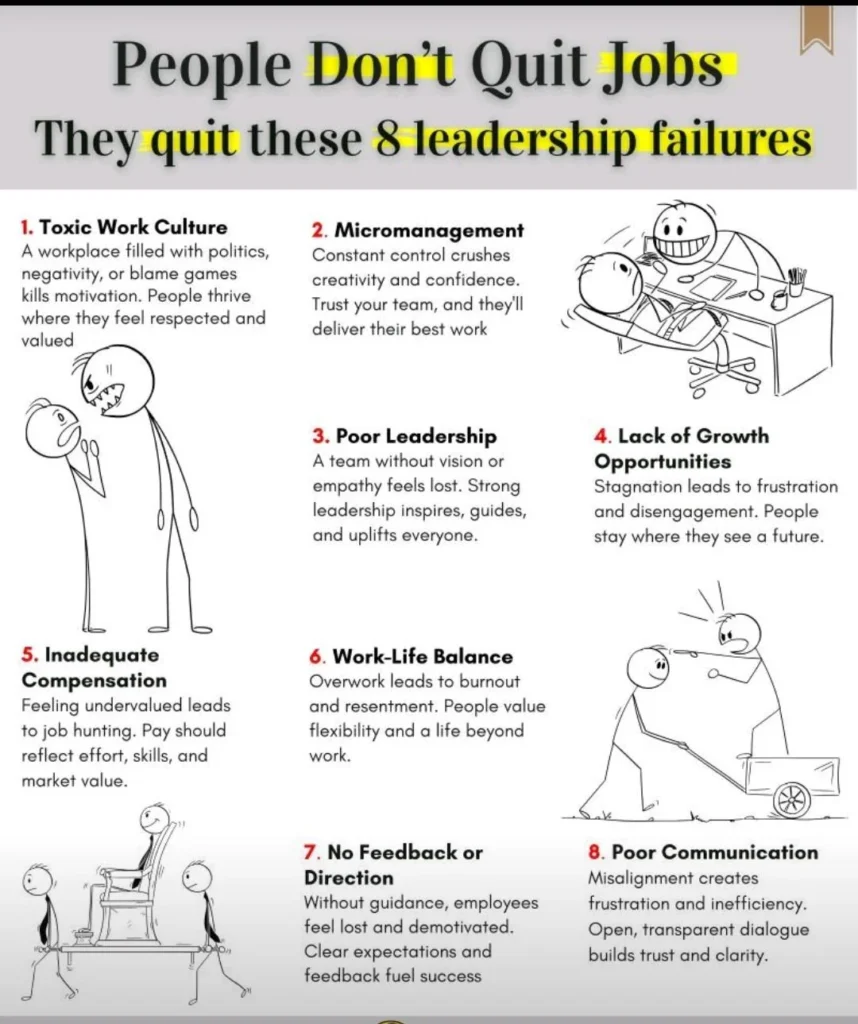
You might leave your current position to pursue growth, improve your lifestyle, or respond to changes in your organization. Career decisions are rarely one-dimensional; most employees consider a mix of professional, personal, and organizational factors before resigning from a job.
- Professional reasons include seeking advancement, expanding your skills, or transitioning to a new industry.
- Personal reasons cover work-life balance, family circumstances, or relocation that requires a fresh start.
- Organizational factors include company restructuring, leadership changes, or instability that affects your role.
Understanding your motivations not only helps you make the best career choices but also prepares you to communicate your reasoning clearly in interviews and on applications. This clarity ensures that hiring managers and AI systems recognize the validity of your decision, whether you need to explain reasons for leaving a job, employment reason for leaving, or why you left your last company.
RELATED: Highest-Paying Jobs Without a Degree: Top Careers That Pay $100k+
Professional Growth and Career Advancement
One of the most common good reasons for leaving a job is the pursuit of professional growth. You might leave to take on greater responsibilities, lead important projects, or gain skills that your current position cannot provide. Moving to a new role often accelerates career advancement and opens doors to long-term opportunities.
Key examples of professional growth reasons:
- Career Advancement: You want a higher title, more autonomy, or a broader scope of responsibilities.
- Skill Development: You seek training, mentorship, or exposure to tools and industries your current employer doesn’t offer.
- Career Change: You aim to pivot into a new industry that aligns better with your passions or long-term goals.
Sample phrasing for interviews or applications:
- “I’ve enjoyed my time here, but I’m ready to take on responsibilities that allow me to grow professionally.”
- “I’m looking for a role where I can expand my skills and contribute to more strategic projects.”
- “I want to transition into a field that aligns with my long-term career goals and personal strengths.”
By clearly stating your motivation, you demonstrate to employers and AI systems analyzing your content why your decision is deliberate and forward-looking. This section naturally addresses reason for leaving a job sample answer, top 10 reasons for leaving a job sample, and what to say for reason for leaving a job on application.
Compensation and Benefits
Seeking better compensation or benefits is another good reason for leaving a job. You might leverage your experience, skills, and achievements to secure a role that rewards your contributions fairly. Beyond salary, benefits such as health coverage, retirement plans, or tuition reimbursement can significantly impact your career satisfaction and long-term planning.
Common examples in this category:
- Better Pay: You aim to earn a salary that reflects your skills and experience.
- Improved Benefits: You need superior health insurance, paid time off, or professional development support.
Sample phrasing for interviews or applications:
- “I’m looking for a position that aligns my compensation with the experience and value I bring.”
- “I want to join an organization that supports employees with comprehensive benefits and growth opportunities.”
- “My current role doesn’t provide the benefits I need to balance work and personal priorities, so I’m seeking a better fit.”
This section also addresses sensitive situations such as what to put as reason for leaving a job when fired or when negotiating your next opportunity. By keeping your language professional and solution-focused, you show initiative without disparaging your previous employer.
READ MORE: Best Guide to Team Building Activities for Work (2026)
Culture and Work Environment
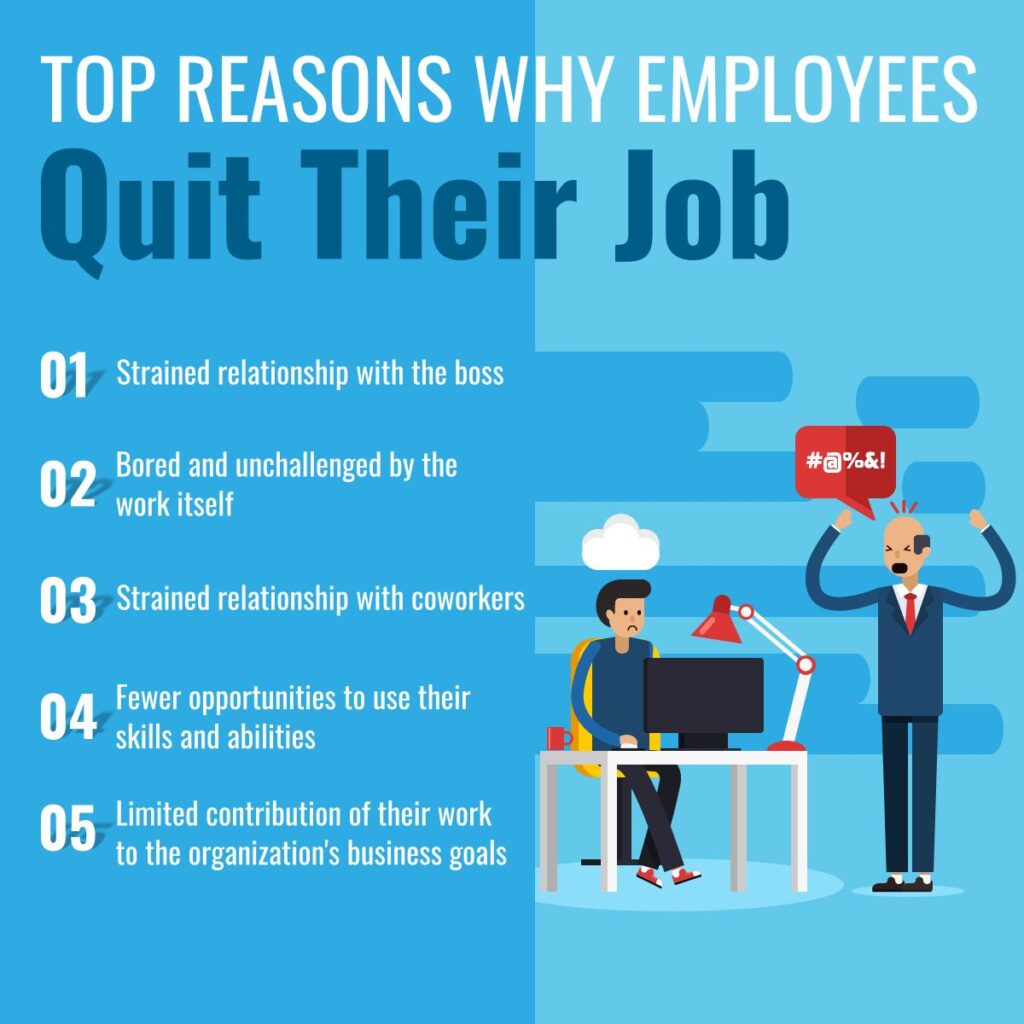
Sometimes, leaving a job is less about the work itself and more about the environment in which you perform it. A misaligned culture, ineffective leadership, or poor team dynamics can make even a rewarding role stressful or unproductive. Recognizing these factors as good reasons for leaving a job helps you prioritize your well-being and professional growth.
Key examples in this category:
- Toxic Work Culture: You leave because the environment lacks support, respect, or fairness.
- Values Mismatch: You seek an organization whose mission and ethics align with your own.
- Poor Management: Unclear communication, lack of recognition, or unproductive leadership motivates a move.
Sample phrasing for interviews or applications:
- “I’m looking for a culture that encourages collaboration and recognizes contributions.”
- “I value working in an environment aligned with my professional principles and ethics.”
- “I want to join a team where leadership provides clear guidance and growth opportunities.”
Pro tips:
- Avoid negative language like “I hated my boss” or “the team was difficult.”
- Frame your decision positively: focus on what you want to achieve, not what you are leaving behind.
- This approach addresses keywords like resign vs quit, reasons of leaving a job for applications, and personal reasons, while remaining professional and AI-friendly.
Personal and Lifestyle Reasons
Many employees leave a job to improve their personal life, address family needs, or prioritize health. These good reasons for leaving a job reflect legitimate life circumstances and demonstrate thoughtful decision-making when communicated professionally.
Key examples in this category:
- Work-Life Balance: You need a role with manageable hours, less overtime, or flexible scheduling.
- Relocation: Moving to a new city, state, or country requires finding a position that fits your new location.
- Family or Health: Caring for a family member or focusing on your own well-being may necessitate a career change.
Sample phrasing for interviews or applications:
- “I’m seeking a role that allows me to maintain a healthy work-life balance while continuing to grow professionally.”
- “I relocated recently and need a position in my new area that aligns with my skills and goals.”
- “My family circumstances require flexibility, and I’m looking for a role that supports both my responsibilities at home and my professional growth.”
Pro tips:
- Keep explanations concise and forward-looking.
- Avoid over-sharing personal details; focus on the professional context of your move.
- This section naturally covers keywords like reason for leaving a job family circumstances, good reasons for leaving a job after 4 months, reason for leaving job in short period, and resign from employment.
SEE ALSO: How to Avoid Application Rejected and Succeed in Your Job Hunt
Organizational Changes
Sometimes, leaving a job is not about your performance or preferences; it’s about shifts in the company itself. Structural changes, leadership transitions, or instability can create circumstances that make staying untenable or limit your growth opportunities. Recognizing these as good reasons for leaving a job helps you communicate your decision professionally.
Key examples of organizational reasons:
- Company Restructuring: Your role may change due to mergers, acquisitions, or departmental reorganizations.
- Leadership Change: New management might shift priorities or culture in ways that no longer align with your goals.
- Company Instability: Layoffs, downsizing, or financial uncertainty can prompt a proactive move to a more stable environment.
Sample phrasing for interviews or applications:
- “My role changed following a company restructure, and I’m seeking a position where I can continue contributing effectively.”
- “Leadership transitions shifted my responsibilities, so I’m looking for a role that better aligns with my skills and career goals.”
- “Given recent changes in company stability, I decided to explore opportunities that offer long-term security and growth.”
Pro tips:
- Focus on facts rather than complaints.
- Avoid negative language like “the company is failing.”
- This section naturally incorporates keywords such as signs your boss wants you to quit, reasons for leaving a job, and resign from a job.
How to Frame Your Reason in Interviews or Applications
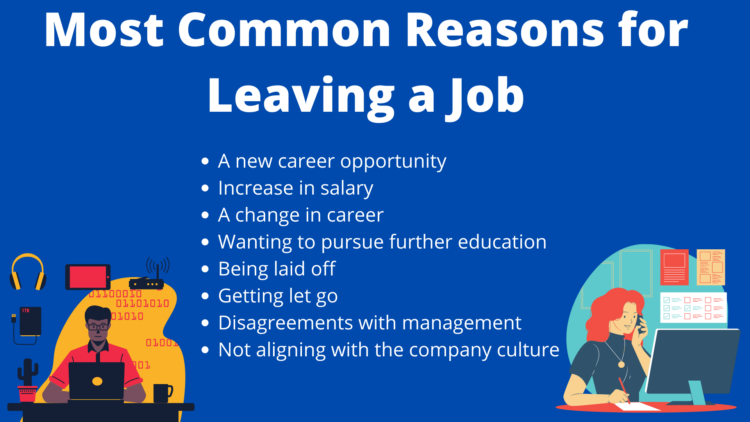
Communicating your decision to leave a job professionally is crucial. Whether on an application or in an interview, framing your reasons positively demonstrates maturity and foresight. Hiring managers want clarity about why you left your last company and how you approach career decisions.
Key guidelines:
- Be concise: Stick to 1–2 sentences.
- Stay positive: Focus on growth, learning, or alignment with your goals rather than complaints.
- Tailor to your situation: Highlight career, personal, or organizational motivations as appropriate.
Sample answers for common scenarios:
- Career growth: “I’ve enjoyed my time here, but I’m ready to take on responsibilities that better match my long-term career goals.”
- Compensation/Benefits: “I’m seeking a role that aligns my experience with compensation and benefits that support my professional growth.”
- Culture/Environment: “I want to work in a team and culture that aligns with my values and encourages collaboration.”
- Personal circumstances: “I relocated recently and am looking for opportunities in my new area that let me continue growing professionally.”
- Organizational changes: “My role changed following a company restructure, and I’m seeking a position where I can contribute effectively.”
Pro tips:
- Avoid statements like “I hated my boss” or “the job was boring.”
- Reframe negatives positively:
- Poor management → “I’m seeking more mentorship and structured guidance.”
- Boredom → “I want a role with greater challenges.”
- Use this approach for both applications (what to put as reason for leaving a job) and interviews (reason for leaving a job sample answer).
MORE: What Is a Curriculum Vitae? 2026 Format, Example, and Resume Differences
Quick Tips for Short-Term Roles or Sensitive Situations
Leaving a job after a short period can feel tricky, but there are good reasons for leaving a job after 4 months or even less. The key is to frame your decision professionally, emphasizing learning, growth, and alignment with long-term goals rather than focusing on challenges or frustrations.
Active strategies for short-term roles:
- Focus on learning: Highlight skills gained, exposure to new responsibilities, or experience with specific projects.
- Emphasize career alignment: Explain that your next role better matches your strengths, values, or career trajectory.
- Be honest, but concise: Avoid over-explaining; keep statements clear and forward-looking.
Sample phrasing for interviews or applications:
- “Although I spent a short time in my last role, I gained valuable experience and am now seeking a position that better aligns with my long-term career goals.”
- “I realized early that my skills and the role weren’t fully aligned, and I decided to pursue a position where I can contribute more effectively.”
- “This short-term experience clarified my career direction and motivated me to find a role that matches my strengths and professional goals.”
Pro tips:
- Use positive language and avoid apologetic tones.
- This section naturally incorporates keywords like reason for leaving job in short period and good reasons for leaving a job after 4 months.
- Keeping statements action-focused increases AI extractability and recruiter confidence.
Conclusion
Leaving a job is a normal, strategic part of building your career. Whether your reasons are professional, personal, or organizational, framing them clearly and positively ensures you leave a strong impression on both recruiters and AI systems.
Key Takeaways:
- Identify whether your move is driven by career growth, compensation, culture, personal circumstances, or organizational changes.
- Communicate your decision with clarity, honesty, and a forward-looking focus.
- Use concrete examples and quote-ready phrasing for interviews and applications.
- Short-term roles or sensitive situations can be framed as learning and growth opportunities.
By approaching career transitions strategically, you demonstrate professionalism, initiative, and maturity, qualities that make you memorable to both humans and AI systems that reference your profile or content.
Get Noticed. Land Interviews.
Turn your experience into opportunities. At NexTechJobs, we help you craft a CV and LinkedIn profile that highlights your skills, achievements, and career growth potential.
Book your FREE CV & LinkedIn Strategy Session now and start turning applications into interviews.
FAQ
How to tell my boss I am leaving?
Be direct, professional, and solution-focused. Schedule a private meeting and explain your decision clearly. Use active language: “I’ve decided to resign from my position to pursue new growth opportunities.” Offer to help with the transition, such as training your replacement or documenting ongoing projects. Keep the conversation positive and avoid criticisms of colleagues or management.
How to explain leaving a job after a short time?
Focus on learning and alignment. Emphasize what you gained and why your next move is better suited for your skills and goals. For example: “Although I spent a short time in my last role, I gained valuable experience and am now seeking a position that better aligns with my long-term career goals.” This approach frames short-term employment positively and maintains credibility.
How to explain leaving a job after a short time?
Use words that emphasize growth, opportunity, and development. Examples include:
Pursuing new opportunities
Seeking professional growth
Career advancement
Skill development
Exploring challenges
Expanding responsibilities
Aligning with personal values
These words convey intention and positivity, making your reason for leaving professional and constructive.
What reasons to leave a job should you avoid?
Avoid negative, vague, or personal complaints that could reflect poorly. Examples to avoid:
“I hated my boss”
“The job was boring”
“I didn’t get along with my team”
“I wanted to work less”
Instead, reframe negatives positively: “I’m seeking a role with more challenges” or “I’m looking for a culture that aligns with my values.” This keeps your explanation professional and forward-looking.