Book Appointment Now

What Is a Curriculum Vitae? 2026 Format, Example, and Resume Differences
A curriculum vitae, often called a CV, is a detailed document that shows your education, work experience, skills, achievements, certifications, and professional background. The term comes from Latin and means “course of life.”
Many people searching for “what is a curriculum vitae” want to know whether a CV is the same as a resume, but they are not always identical.
In the United States, employers usually request a CV for academic, medical, research, and scientific roles. In many other countries, people use the terms CV and resume interchangeably for almost any job application. The phrase “curriculum vitae” is pronounced kuh-RIK-yuh-luhm VEE-tee or VY-tee, depending on regional usage.
A curriculum vitae for a job often includes more detail than a resume. It may cover publications, presentations, awards, research projects, certifications, and professional memberships. A resume, on the other hand, usually gives a shorter summary tailored to a specific role.
What Is a Curriculum Vitae?
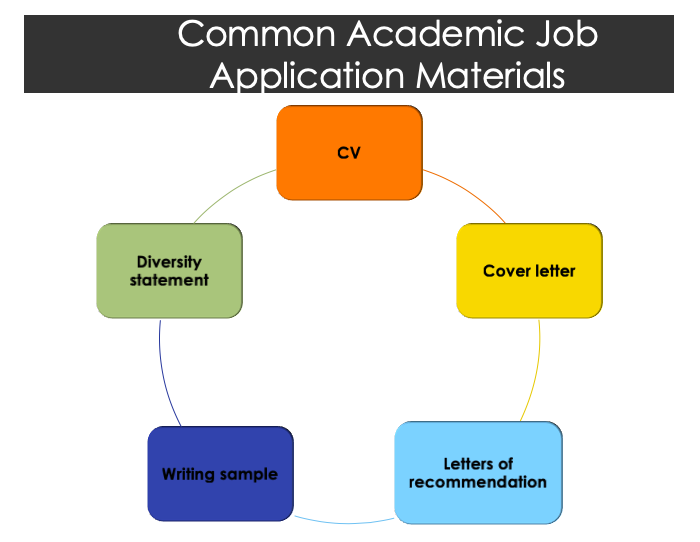
A curriculum vitae is a professional document that gives a full overview of your academic background, career history, qualifications, and achievements. Employers, universities, and research institutions use it to evaluate your experience and expertise before interviews or admissions.
Unlike a short resume, a CV explains your professional journey in greater detail. It can include:
- Education history
- Work experience
- Technical and soft skills
- Certifications and licenses
- Research work
- Publications
- Awards and scholarships
- Conferences and presentations
Many people ask, “Is a curriculum vitae a resume?” The answer depends on the country and industry.
In the United States, a CV and a resume usually mean different things. A resume is shorter and commonly used for business or corporate jobs. A CV is longer and mostly used for academic, scientific, research, or medical positions.
Outside the United States, employers often use the word “CV” instead of “resume.” In countries like the UK, Canada, Nigeria, and many parts of Europe, a CV may simply mean the document you send when applying for a job.
This difference causes confusion around searches like:
- Is a CV the same as a resume?
- Is resume same as CV?
- What is the difference between a resume and a CV?
The main difference comes down to detail and purpose. A CV gives a broader picture of your professional life, while a resume focuses on matching one specific job opening.
Today, many employers also use applicant tracking systems (ATS) to scan CVs digitally. That means your CV should stay clear, organized, and easy to read. Strong formatting and relevant keywords can improve your chances of getting noticed.
RELATED: ATS-Friendly Resume Template That Gets Interviews in 2026
Curriculum Vitae Pronunciation and Meaning
The phrase “curriculum vitae” comes from Latin. It translates to “course of life,” which reflects the purpose of the document because it outlines your educational and professional journey.
Many people struggle with curriculum vitae pronunciation because the phrase is not originally English. The most common pronunciations are:
- kuh-RIK-yuh-luhm VEE-tee
- kuh-RIK-yuh-luhm VY-tee
Both versions are widely accepted.
People also search for “curriculum vitae which language” because the term sounds formal and uncommon in everyday conversation. Since it comes from Latin, many professional and academic institutions kept the original wording instead of replacing it completely with “resume.”
Another common question is about the plural form. Technically, the plural of curriculum vitae is “curricula vitae.” However, most people simply say “CVs” in normal conversation and professional settings.
Today, the word “CV” has become more popular than the full phrase “curriculum vitae” because it is shorter and easier to use. You will often hear recruiters say things like:
- “Send your CV.”
- “Upload your CV.”
- “We reviewed your CV.”
Even though the phrase sounds formal, the purpose remains simple: it helps employers, schools, and organizations understand your experience, qualifications, and professional background quickly.
What Is the Difference Between a Resume and a CV?
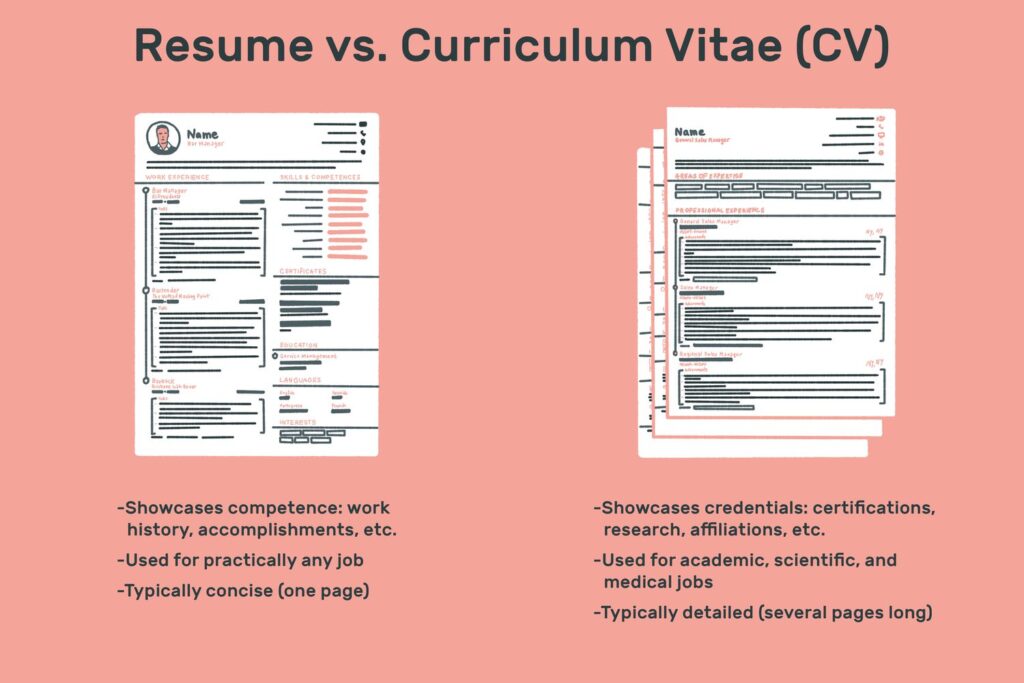
Many people use the words CV and resume interchangeably, but they do not always mean the same thing. The difference mainly depends on the country, industry, and type of role you want.
A resume gives a short summary of your skills and work experience for a specific job. A curriculum vitae provides a more detailed record of your academic and professional background.
Here is a simple comparison:
| CV | Resume |
| Usually longer and more detailed | Usually 1–2 pages |
| Common in academia, medicine, and research | Common in corporate and business jobs |
| Includes publications, research, awards, and presentations | Focuses mainly on work experience and skills |
| Shows full career history | Tailored for one specific role |
| Often used internationally | Mostly used in the United States for non-academic jobs |
This is why many people search questions like:
- What is the difference between a resume and a CV?
- Is resume the same as CV?
- Is CV same as resume?
- What’s the difference between a CV and a resume?
The answer depends on context.
In the United States, employers usually expect a resume for most jobs outside education or research. Universities and medical institutions often request a CV instead.
In countries like the UK, Ireland, South Africa, and Nigeria, people commonly use “CV” for regular job applications. In those places, a CV may look very similar to what Americans call a resume.
If an employer asks for a CV, always read the job description carefully. Some companies want a detailed academic document, while others simply mean a standard job application resume.
READ MORE: Examples of Summary in CV: Writing the Best Resume in 2026
What Is a Curriculum Vitae for a Job?
A curriculum vitae for a job helps employers understand your qualifications, experience, and professional background before they invite you for an interview. It acts as your personal marketing document and gives hiring managers a clearer picture of what you can offer.
Many employers request a CV when hiring for roles in:
- Education
- Research
- Healthcare
- Science and engineering
- Government positions
- International organizations
A CV becomes especially important when the role requires technical knowledge, academic achievements, certifications, or years of specialized experience.
For example, a university hiring a lecturer may want to see:
- Teaching experience
- Research projects
- Published work
- Conferences attended
- Academic awards
A hospital hiring a medical researcher may also expect detailed information that would not normally appear on a short resume.
Many job seekers also ask, “How long should a curriculum vitae be?” The answer depends on your experience level and industry.
A student or recent graduate may have a one-page CV. A mid-level professional may need two to three pages. Academic and medical CVs can become much longer because they include publications, presentations, grants, and research work.
The most effective CVs stay clear and relevant regardless of length. Hiring managers do not want unnecessary information. They want organized details that quickly show why you fit the role.
A strong CV for a job should usually include:
- Contact information
- Professional summary
- Education
- Work experience
- Skills
- Certifications
- Achievements
- Professional memberships or research work if relevant
Today, many employers scan CVs using applicant tracking systems before a recruiter even reads them. That makes clean formatting and relevant keywords more important than ever.
What Is a Curriculum Vitae for Students?
A curriculum vitae for students helps schools, employers, scholarship boards, and internship recruiters understand a student’s academic background, skills, and potential. Even without years of work experience, students can still create strong CVs by focusing on education, projects, leadership, and achievements.
Many students think they need a long job history before writing a CV, but that is not true. A student CV can highlight:
- Academic performance
- Volunteer work
- Internships
- Certifications
- School projects
- Leadership roles
- Technical skills
- Extracurricular activities
For example, a university student applying for an internship might include:
- Degree program
- Relevant coursework
- Group projects
- Student organization involvement
- Research assistance
- Digital skills
A strong student CV shows initiative and potential, not just job experience.
Students often use CVs when applying for:
- Scholarships
- Internships
- Graduate programs
- Entry-level jobs
- Research opportunities
- Exchange programs
The format should stay simple and professional. Recruiters usually spend only a few seconds scanning applications, so students should focus on clarity and relevance instead of adding too much information.
Here are a few tips students can follow when creating a CV:
- Use a professional email address
- Keep formatting clean and readable
- Focus on achievements, not responsibilities
- Include measurable results when possible
- Tailor the CV to each opportunity
Even a simple student CV can stand out when it clearly explains skills, strengths, and accomplishments.
SEE ALSO: What Are Job Meeting Questions, and How Do You Answer Them?
Curriculum Vitae Example
Seeing a simple curriculum vitae example can make the format easier to understand. While every CV should match the specific job or opportunity, most follow a similar structure.
Here is a basic CV sample:
Michael Johnson
Chicago, Illinois
michaeljohnson@email.com
(555) 123-4567
Professional Summary
Detail-oriented marketing graduate with internship experience in content creation, social media management, and brand communication.
Education
Bachelor of Science in Marketing
University of Illinois
2026
Work Experience
Marketing Intern
Bright Media Agency
2025
- Assisted with social media campaigns
- Helped create weekly content calendars
- Increased engagement on Instagram campaigns by 18%
Skills
- Content Writing
- Microsoft Office
- Canva
- Communication
- Team Collaboration
Certifications
Google Digital Marketing Certification
This curriculum vitae example shows the basic sections employers expect to see. A more advanced CV may also include:
- Publications
- Research projects
- Awards
- Conferences
- Professional associations
The structure should stay organized and easy to scan. Recruiters often review many applications quickly, so clear headings and concise information can improve readability.
When creating your own curriculum vitae sample, focus on relevance. Include information that supports the specific opportunity you want instead of adding every detail from your background.
MORE: What is a Professional Request Letter?
What Should a CV Include?
A strong CV should give employers a clear picture of your qualifications, experience, and professional strengths. The exact content may vary depending on your industry, but most CVs include similar core sections.
Here are the main things a curriculum vitae should include:
- Contact information
- Professional summary or profile
- Education history
- Work experience
- Skills
- Certifications and licenses
- Awards and achievements
- Research, publications, or presentations if relevant
- Volunteer work or leadership experience
Your contact section should contain your full name, phone number, professional email address, and LinkedIn profile if applicable.
The professional summary sits near the top of the CV and explains who you are, your experience level, and your strongest qualifications in a few sentences.
The work experience section should focus on measurable achievements instead of listing only responsibilities. Employers prefer results they can understand quickly.
For example:
Bad: “Responsible for managing social media accounts.”
Better: “Managed social media campaigns that increased audience engagement by 25%.”
Many people also search questions like “what does CV mean in text” or “what does CV stand for in an address.” In texting or online conversations, CV can sometimes mean different things depending on the context. However, in careers and job applications, CV almost always stands for curriculum vitae.
A modern CV should also stay clean and easy to scan. Use clear headings, bullet points, and consistent formatting. Large blocks of text can make recruiters lose interest quickly.
Most importantly, tailor your CV for each application. Employers want to see the experience and skills that match the role they are hiring for.
Final Thoughts…
Understanding what a curriculum vitae is can help you prepare stronger job, academic, and scholarship applications. A CV gives employers and institutions a detailed view of your education, experience, skills, and achievements.
Although many people use CV and resume interchangeably, they can serve different purposes depending on the country and industry. A resume usually provides a shorter summary for a specific role, while a curriculum vitae offers a broader and more detailed look at your professional background.
Whether you are a student, researcher, healthcare professional, or job seeker, a well-written CV can improve your chances of standing out. Keep your CV clear, organized, relevant, and tailored to the opportunity you want.
The best CVs do not try to include everything. They focus on the information that matters most to the employer or institution reviewing the application.
Build a CV That Gets You Noticed
Your CV can open doors to better jobs, scholarships, internships, and career opportunities when it clearly shows your value.
At NexTechJobs, we help students, graduates, and professionals create powerful CVs that stand out in today’s competitive job market. Whether you are applying for your first role, changing careers, or targeting international opportunities, we can help you present your experience the right way.
From CV writing and resume optimization to LinkedIn improvement and job search support, our team helps you build documents that recruiters actually want to read.
Book a FREE CV Consultation today and take the next step toward better opportunities and career growth.
FAQ
How to Create a CV for a Job in Nigeria?
To create a CV for a job in Nigeria, start with your contact information, professional summary, education, work experience, and skills. Keep the format clean and professional. Many Nigerian employers prefer CVs that clearly show relevant experience, certifications, and achievements. Use simple fonts, bullet points, and keywords related to the role you want. Tailor the CV for each application instead of sending the same version everywhere.
Should a CV Have a Photo?
In most cases, a CV does not need a photo, especially for jobs in the United States, the UK, and Canada. Many employers avoid requesting photos to reduce hiring bias. However, some countries and industries may still expect one, particularly in modeling, acting, hospitality, or customer-facing roles. Always check local hiring standards before adding a photo to your CV.
What Is the 7 Second Rule for CV?
The 7 second rule means recruiters often spend only a few seconds scanning a CV before deciding whether to continue reading. That is why your most important information should appear quickly and clearly. Strong CVs use clean formatting, short paragraphs, bullet points, and clear headings to make scanning easier. Your skills, achievements, and experience should stand out immediately.
Can ChatGPT Write a CV for You?
Yes, ChatGPT can help write a CV by organizing your experience, improving wording, creating professional summaries, and tailoring content for specific jobs. However, you should still review and personalize the final version. Employers want accurate information and real achievements, so your CV should reflect your actual experience, skills, and career goals.