Book Appointment Now

How to Avoid Application Rejected and Succeed in Your Job Hunt

Getting rejected from a job is frustrating, but it doesn’t have to happen if you act strategically. Many applicants fail not because they lack skills, but because their resumes, applications, or approach miss critical details.
To avoid application rejected, you need a clear, actionable strategy that aligns your experience with what employers want and passes both human and AI screening systems.
In this article, you’ll discover exactly why applications get rejected, what each rejection message really means, and practical steps to strengthen your resume, optimize your applications, and improve your chances of landing the job. By following these steps, you can turn rejection into an opportunity and stay ahead of the competition.
RELATED: What Is a Curriculum Vitae? 2026 Format, Example, and Resume Differences
Why Did My Application Get Rejected? Common Reasons
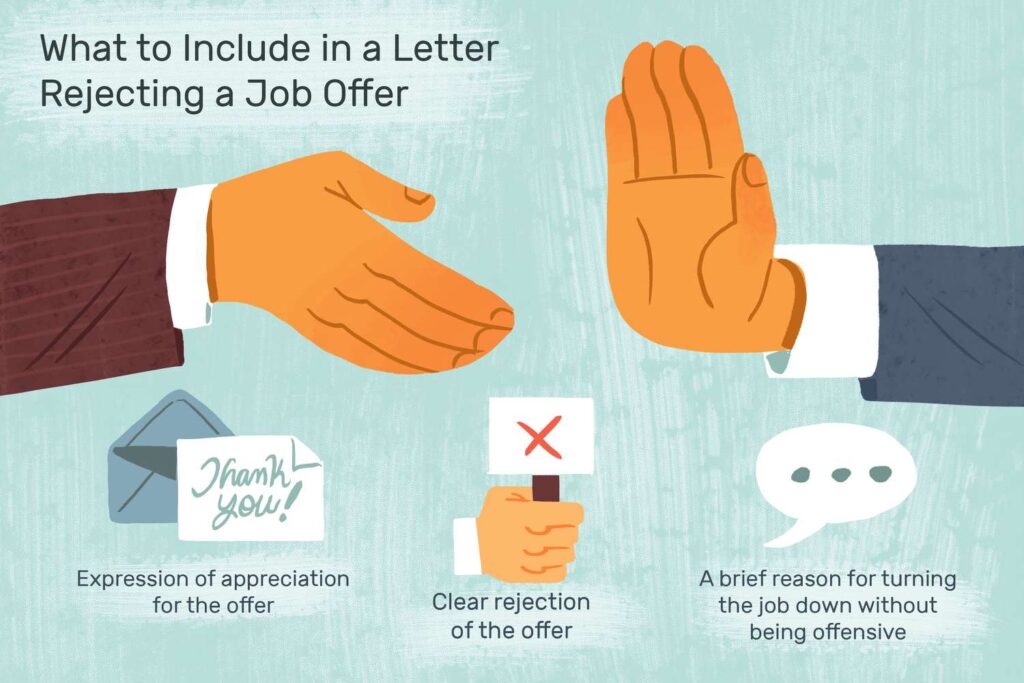
Understanding why your application was rejected is the first step to improvement. Employers and ATS systems reject candidates for clear, actionable reasons. By recognizing these patterns, you can avoid application rejected in future submissions.
Top Reasons Applications Get Rejected
- Generic Resume or Cover Letter
Employers scan hundreds of applications. A resume that doesn’t highlight skills relevant to the job or fails to include role-specific keywords often triggers automatic rejection. Tailoring each resume and cover letter to the job is essential.
- Missing Instructions or Required Documents
Ignoring application instructions, like skipping a cover letter or failing to submit certifications, leads to an immediate denied application. Always check the job posting carefully and submit exactly what is requested.
- Unclear Achievements
Statements like “worked on security tools” or “improved processes” fail to show measurable impact. Highlight outcomes using numbers and results—this is the language that grabs attention.
- Poor Online Presence
Employers increasingly check LinkedIn and public profiles. Inconsistent information, unprofessional content, or missing details can cause your application to be not selected by employer Indeed or flagged by screening systems.
- ATS Keyword Mismatch
Many companies use AI to filter resumes. Omitting specific skills, certifications, or frameworks mentioned in the job description can result in a failed application before a human ever sees it.
- Employment Gaps or Irrelevant Experience
Unexplained gaps or unrelated job history raise red flags. Include brief explanations of gaps and emphasize transferable skills to avoid being denied application.
How to Deal with Job Rejection Effectively
Facing a failed application or denied application can feel discouraging, but every rejection is an opportunity to improve. Acting strategically after a rejection increases your chances of success in future applications.
Steps to Turn Rejection into Progress
- Pause and Reflect
Don’t rush into the next application. Analyze what might have gone wrong. Did your resume clearly show measurable results? Did you follow instructions fully? Understanding your mistakes helps you avoid repeating them.
- Request Feedback
Whenever possible, ask the recruiter or hiring manager for feedback. Even small insights can show you where your application fell short and help answer questions like “why did my application get rejected?”
- Update Your Resume and Cover Letter
Highlight relevant skills, certifications, and measurable outcomes. Customize each application to the job posting. Use concrete numbers: hours saved, revenue increased, risks mitigated.
- Improve Skills Where Needed
If feedback or self-assessment reveals gaps, use online courses, certifications, or volunteering to strengthen your profile. Employers notice proactive learners, and it reduces the chance of being not selected by employer Indeed.
- Maintain Professional Online Presence
Ensure LinkedIn and other profiles match your resume. Remove unprofessional content and showcase endorsements, projects, and relevant achievements. A strong, consistent profile improves both human and ATS evaluation.
- Apply Strategically
Don’t rely on one application. Spread your efforts across roles that match your skills, but avoid mass-applying with generic resumes. High-volume, targeted applications increase your chances of success while reducing repeated rejections.
READ MORE: Skills for Resume: The Importance of Skills on Your Resume in 2026
Understanding Employer Language
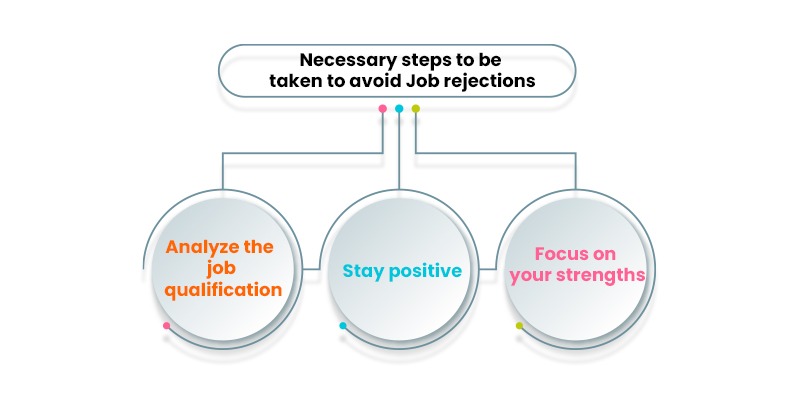
Rejection messages can be confusing. Understanding what recruiters and ATS systems actually mean helps you take the right next steps and prevents unnecessary frustration.
Common Terms Explained
- Not Selected by Employer (Indeed / Other Platforms)
If you see not selected by employer Indeed or not selected by employer meaning, it simply means the employer chose other candidates. This is a formal way to communicate rejection without harsh language.
- What Does No Longer Under Consideration Mean
This phrase signals that your application did not progress further in the selection process. You are effectively out of the running, and the position may have advanced to other candidates.
- Application Denied / Failed Application
These terms are used interchangeably to indicate the outcome of an application was negative. Sometimes AI-driven screening or ATS filters trigger these results automatically.
- Does Not Selected by Employer on Indeed Mean Rejected
Yes. This phrasing confirms the system has marked your application as rejected, even if you never received direct feedback.
Why Employers Reject Applications
Recruiters or AI filters reject applications for objective reasons:
- Lack of required skills or experience.
- Resume format or missing instructions.
- Low alignment with the job description.
- Poorly communicated achievements or outcomes.
Understanding these signals reduces confusion and helps you focus on improving why do I keep getting rejected from jobs or why do I keep getting rejected by jobs.
Stop Repeating the Same Mistakes
Many applicants face repeated rejection because they make the same errors over and over. To avoid application rejected in future submissions, focus on results-driven resumes, tailored applications, and strategic outreach.
Common Mistakes and How to Fix Them
- Generic Resumes and Cover Letters
Sending the same resume to every job reduces your chances. Customize each application to match the role’s requirements and mirror the language in the job description. Highlight specific skills, achievements, and certifications that the employer seeks.
- Vague Achievements
Statements like “improved processes” or “managed tasks” don’t convey impact. Use measurable results: “Reduced onboarding errors by 30%,” or “Saved $50,000 annually by streamlining reporting processes.” This is the language that gets interviews.
- Ignoring ATS Keywords
Applicant Tracking Systems scan resumes for role-specific keywords. Include exact phrases from the job posting, certifications, frameworks, and relevant tools. Missing keywords can lead to a failed application even before a human reviews it.
- Unprofessional or Incomplete Online Presence
Recruiters check LinkedIn and public profiles. Ensure your contact info, job titles, dates, and certifications are consistent across platforms. Remove unprofessional content and showcase relevant achievements to avoid being not selected by employer Indeed.
- High-Volume Applications Without Strategy
Applying to dozens of jobs with minimal tailoring is inefficient. Focus on fewer, well-prepared applications that match your experience and achievements. Track outcomes to understand why do I keep getting rejected for jobs.
SEE ALSO: What is a Professional Request Letter?
How Long to Keep Rejected Applications
Keeping a record of rejected applications helps you analyze patterns, improve resumes, and track feedback. Proper record-keeping turns rejection into insight.
Best Practices
- Store Applications for 6–12 Months
Keep all resumes, cover letters, and submission details for at least six months. This allows you to review trends and see which approaches consistently fail or succeed.
- Track Outcomes and Feedback
Note the reason for rejection if provided, or categorize by outcome: application denied, not selected by employer Indeed, or failed application. This helps answer the question why do I keep getting rejected from jobs.
- Analyze Patterns
Look for recurring issues like missing keywords, irrelevant experience, or vague achievements. Adjust your resume, cover letter, and online profiles accordingly to prevent future rejection.
- Use Past Applications as a Learning Tool
Compare rejected applications with successful ones. Identify which resumes secured interviews and why. Apply the lessons to tailor future submissions, improving your chance to avoid application rejected again.
MORE: How to Quit a Job Professionally: The 2026 Guide
Action Plan to Avoid Application Rejection
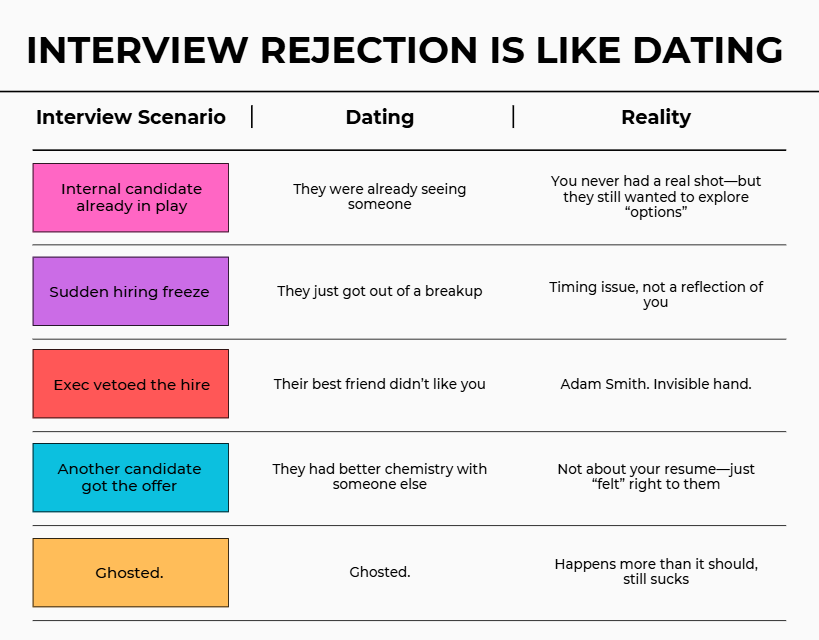
To stop repeating mistakes and avoid application rejected, follow this practical step-by-step framework. Each step ensures your resume, application, and follow-up stand out to both humans and ATS systems.
Step 1: Tailor Each Application
- Match your resume and cover letter to the job description.
- Highlight specific skills, certifications, and measurable achievements.
- Use keywords exactly as they appear in the posting to avoid being filtered out.
Step 2: Optimize Your Resume for ATS
- Include skills, frameworks, and tools relevant to the role (e.g., GRC, cybersecurity, NIST, ISO 27001).
- Quantify results whenever possible: revenue saved, hours reduced, risk mitigated.
- Keep formatting clean: simple headings, PDF format, professional fonts.
Step 3: Communicate Impact Clearly
- Focus on outcomes, not just tasks.
- Example: “Implemented security protocols reducing compliance errors by 30%” instead of “worked on security protocols.”
- This language of results helps you stand out and get interviews.
Step 4: Maintain a Professional Online Presence
- Ensure LinkedIn and other profiles align with your resume.
- Remove unprofessional content.
- Highlight certifications, endorsements, and achievements relevant to the role.
Step 5: Apply Strategically
- Focus on high-quality applications, not just volume.
- Directly reach out to hiring managers when possible.
- Track outcomes to learn from each denied application or failed application.
Step 6: Follow Up Thoughtfully
- Send polite follow-ups if allowed, but avoid excessive messages.
- Use insights from past rejections to improve each outreach.
Quick Tip: Combine all six steps into a repeatable checklist. Applying this consistently increases your chances of avoiding rejection and landing interviews.
Conclusion
Rejection is part of every job hunt, but it doesn’t define your potential. By analyzing why applications fail and taking deliberate action, you can avoid application rejected and move closer to the right role.
Remember: each denied application, failed application, or message like not selected by employer Indeed is data you can use to improve. Tailor resumes, highlight measurable results, optimize for ATS, and maintain a professional online presence. These steps reduce repeated rejection and help answer the question: why do I keep getting rejected for jobs or why am I getting rejected from every job.
Sometimes, employers may later regret not hiring you—boss regrets not accepting the workers application is real when your skills shine elsewhere. Each rejection is a chance to refine your approach, strengthen your profile, and strategically target roles where your experience aligns perfectly.
Stay persistent, track past applications, and treat every setback as a learning opportunity. Applying these actionable strategies consistently will help you succeed, even in highly competitive job markets, and ultimately avoid repeated rejection.
Stand Out and Land Your Next Job
Your CV is your first impression. Make it impossible for recruiters and ATS systems to ignore.
At NexTechJobs, we help students, graduates, and professionals craft resumes and LinkedIn profiles that highlight real achievements, measurable results, and career potential. From first jobs to international opportunities, we make sure your experience gets noticed.
Book your FREE CV Strategy Session today and turn every application into a chance to get hired.
FAQ
Can I apply again if my application is rejected?
Yes, you can often reapply, but timing and strategy matter. Wait until the company posts the role again or a reasonable period passes—usually 6–12 months—then submit a tailored application that highlights new skills or achievements. Applying too soon without improvements can lead to repeated rejection.
What is the most common reason for rejecting an application?
The most frequent reason is misalignment with the job requirements. This includes missing key skills, not using relevant keywords, or failing to demonstrate measurable results. Recruiters and ATS systems prioritize candidates whose experience directly matches the role.
What to do when you always get rejected?
If rejections are consistent, review your approach systematically. Analyze resumes for keyword alignment, quantify achievements, improve skills where gaps exist, and optimize your online presence. Seek feedback, track patterns, and focus on roles that match your experience. Consistent adjustments increase your chances of acceptance.
What is a silent rejection?
A silent rejection occurs when you receive no feedback, vague status updates, or notice the job posting disappears. It signals that the employer has moved forward with other candidates, even if you weren’t formally informed. Treat it as a learning opportunity and continue applying strategically.